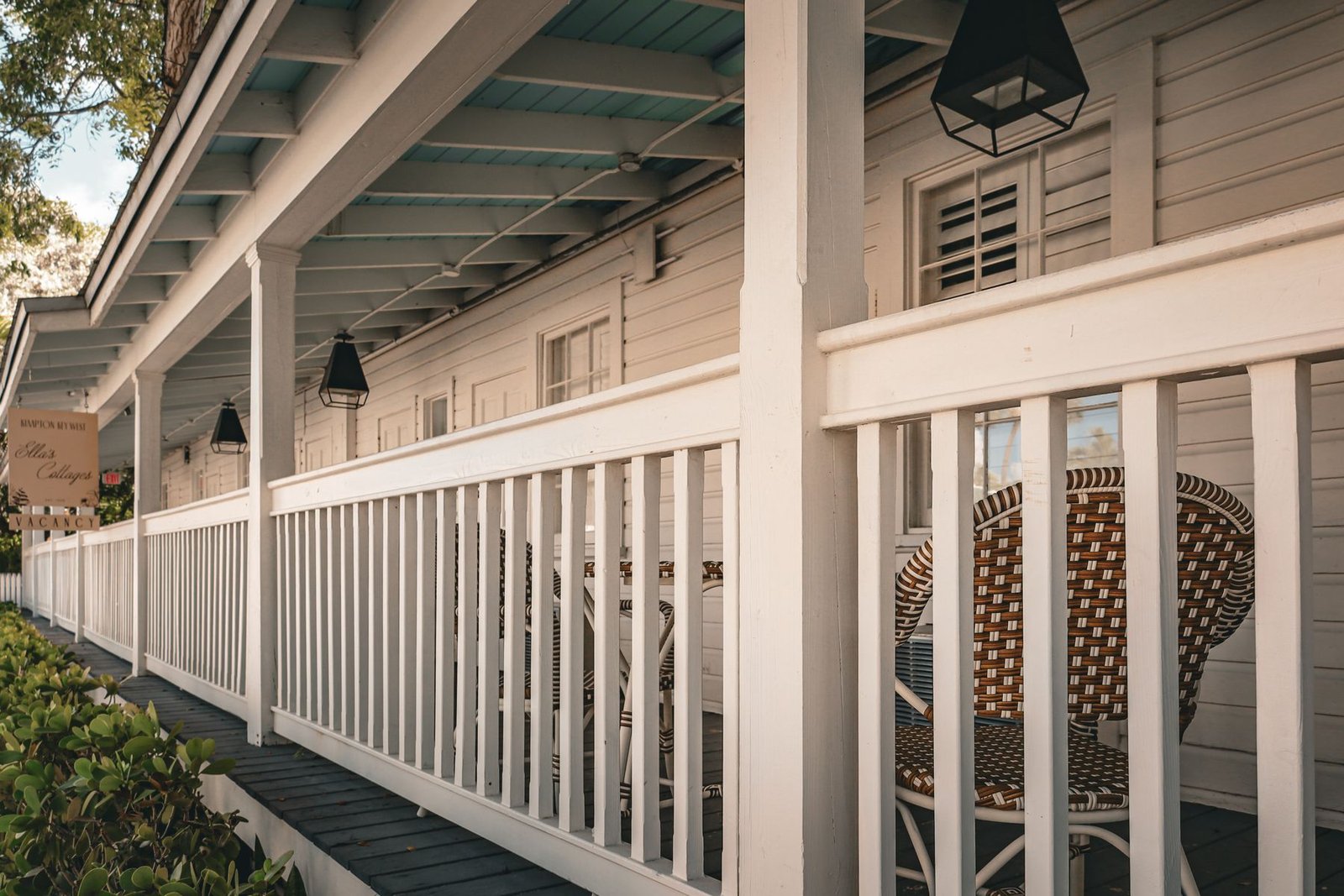
Deck Railing Installation
Guardrails, cable and metal infill that meet code height and open-space limits.
What this involves →Cedar, redwood and pressure-treated timber decks built to move with a climate that swings forty degrees in a day and bleaches a finish faster than most people expect.
No obligation. Every estimate starts with a walkthrough of the site and a straight conversation about what the ground, the span and the budget will allow.
What this involves
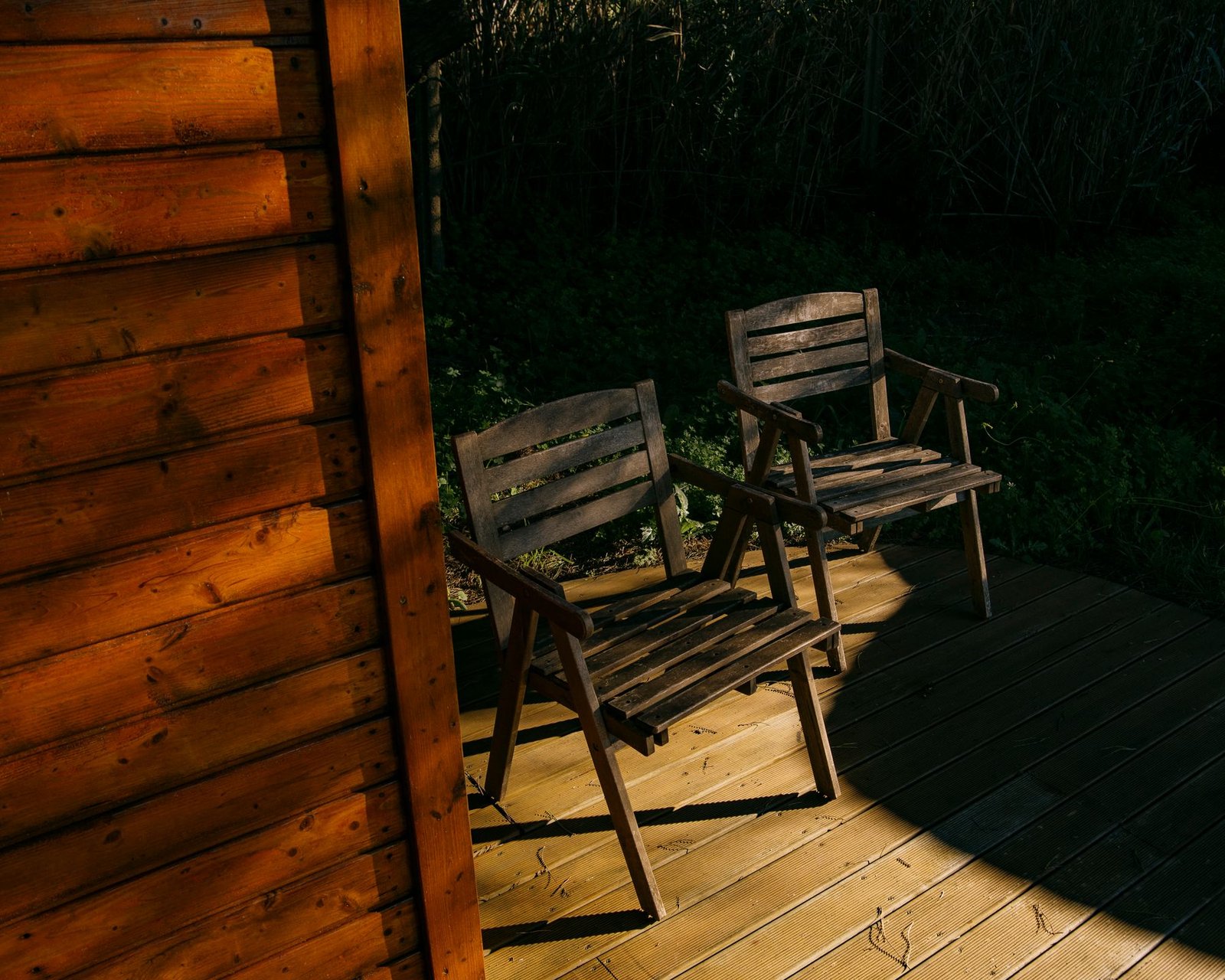
There is a reason wood decks remain the default here despite everything composite does well. Timber is warm underfoot in August when a dark composite board is not, it can be sanded and refinished rather than replaced, an individual damaged board is trivially swapped, and it simply looks like what it is. On a cabin-style property in Verdi or Galena, nothing else looks right.
What timber asks in return is attention, and the climate here raises the price of that. At 4,400 feet ultraviolet exposure is more intense than at sea level, and it attacks the finish rather than the wood. A stain that would hold for four years in a milder, lower place may need renewing in two or three on a fully exposed south or west-facing deck. Skip it and cedar goes silver-grey, which some people like the look of and which is not in itself structural — but the surface fibres break down as it happens, and that is what produces splinters.
The daily temperature swing does the other half of the work. Boards expand and contract, cup and crown, and fasteners driven without pre-drilling work themselves proud over a few seasons. Screwing rather than nailing the surface, pre-drilling near board ends, and gapping properly at installation are not refinements. They are what stops a deck becoming annoying in year three.
Then there is chemistry. Modern pressure-treated lumber uses copper-based preservatives that are corrosive to ordinary galvanised hardware. Hangers, bolts and screws in contact with treated timber need to be hot-dip galvanised or stainless to the appropriate rating. It is invisible, it costs slightly more, and getting it wrong rusts out the connectors that hold the deck together.
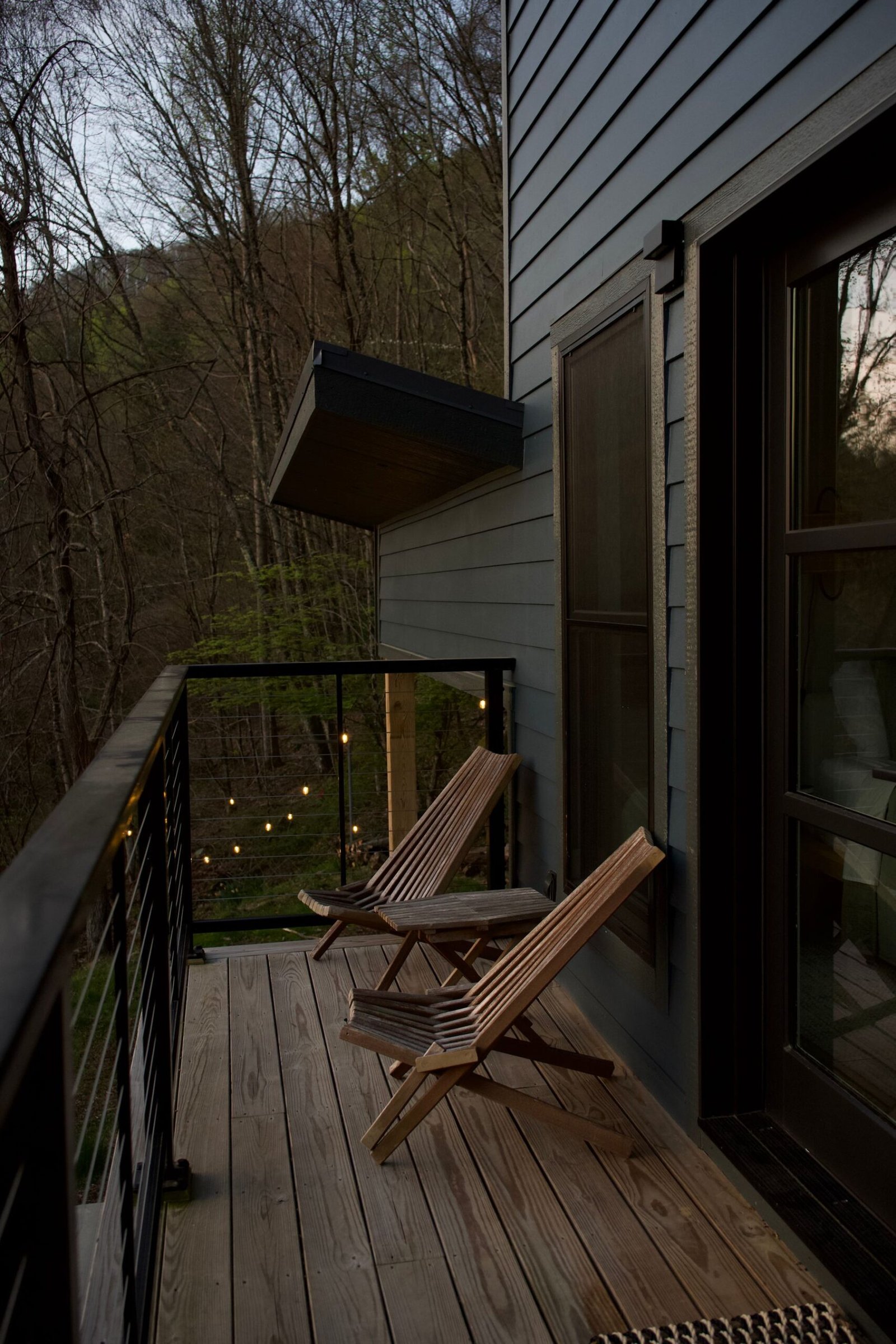
Species choice, frame and finish are one decision, not three.
Pressure-treated pine, western red cedar and redwood behave and cost differently. We explain how each ages here, what it needs from you, and where it makes sense to mix — treated framing under a cedar surface is often the sensible answer.
Footings below the local frost requirement, standoff post bases keeping end grain clear of concrete, beams and joists sized to your elevation’s ground snow load, and hardware rated for the preservative in the timber.
Pre-drilled, screwed decking with gapping set for the conditions at installation, edges eased, and a straight conversation about the finish schedule the deck will actually need.
Why it pays off
All three work here. They differ in cost, in how they age and in how much they ask of you.
How it runs
Structure first, surface second, finish last — and the last one is on a clock.
What the deck is for, how exposed it is, how you feel about a maintenance weekend, and what the house next to it looks like.
Finding out what is actually under the ground before committing to a footing layout. Rock and fill both move posts.
Filed with whichever authority governs your parcel, with engineered drawings where snow load, projection or height require them.
Footings, standoff post bases, beams and joists sized to the load, blocking where the spans and guard posts need it, and hardware rated for treated lumber.
Pre-drilled and screwed, gapped for the temperature at installation, board ends staggered deliberately, edges eased so nothing catches.
Guardrails and stairs built, then an honest conversation about when the first finish coat should go on and what happens if it does not.
The right answer depends on the aspect, the budget and how you feel about maintenance. Tell us about the space and we will make a recommendation rather than a list.
Species, grade, fastening method and finish. Because the sun and the freeze-thaw cycle here shorten the re-coat interval, the calculator shows what each finish costs to keep up as well as what it costs to install.
Questions
More often here than the tin suggests, because the label was not written for 4,400 feet. A fully exposed south or west-facing deck may want attention every two to three years; a shaded north-facing one can go considerably longer. Horizontal surfaces always go before vertical ones, so railings often still look fine when the deck floor does not.
The practical approach is to check annually and act when water stops beading rather than working to a fixed calendar.
It goes silver-grey, which is a legitimate aesthetic and structurally neutral in itself. What follows matters more: as surface fibres break down, the board becomes rough and splintery, checks open up, and those checks hold water against the timber and around the fasteners. On cedar and redwood, whose durability is in the heartwood, that process is slow. On treated pine it is faster.
Grey by choice is fine. Grey by neglect eventually costs boards.
For the surface you touch, usually yes. Cedar is more dimensionally stable, has less resin to bleed, takes stain more evenly and simply feels better underfoot. For framing, treated pine is stronger, cheaper and the correct choice.
The combination most people land on is treated framing with a cedar or redwood deck surface, which puts the money where it shows and where it is touched.
Yes, and it is one of timber’s real advantages. A deck that has gone grey and rough can usually be brought back with sanding and a fresh finish, provided the boards are still sound. Composite cannot be recovered this way — a scratched composite board is a scratched composite board.
The test is whether the wood is still hard. If a screwdriver sinks into it, sanding will not save that board.
Almost always because the boards were nailed rather than screwed, or screwed without pre-drilling near the ends. As timber moves through the daily temperature swing, it works fasteners loose, and the sharp edge of a raised screw head is what catches bare feet.
Pre-drilling, correct fastener length and screwing rather than nailing the surface prevent most of it. On an existing deck, replacing popped fasteners with slightly longer ones into fresh timber usually solves it.
The structure is the same; the spacing often is not. Timber decking is generally happy at the joist spacing most decks are framed to, while many composite boards require closer centres. That means a frame built for wood cannot always take composite later, but a frame built for composite will always take wood.
If you think you might switch materials one day, say so at the design stage. It costs very little then.
Related work
Most projects touch more than one of these.
Guardrails, cable and metal infill that meet code height and open-space limits.
What this involves →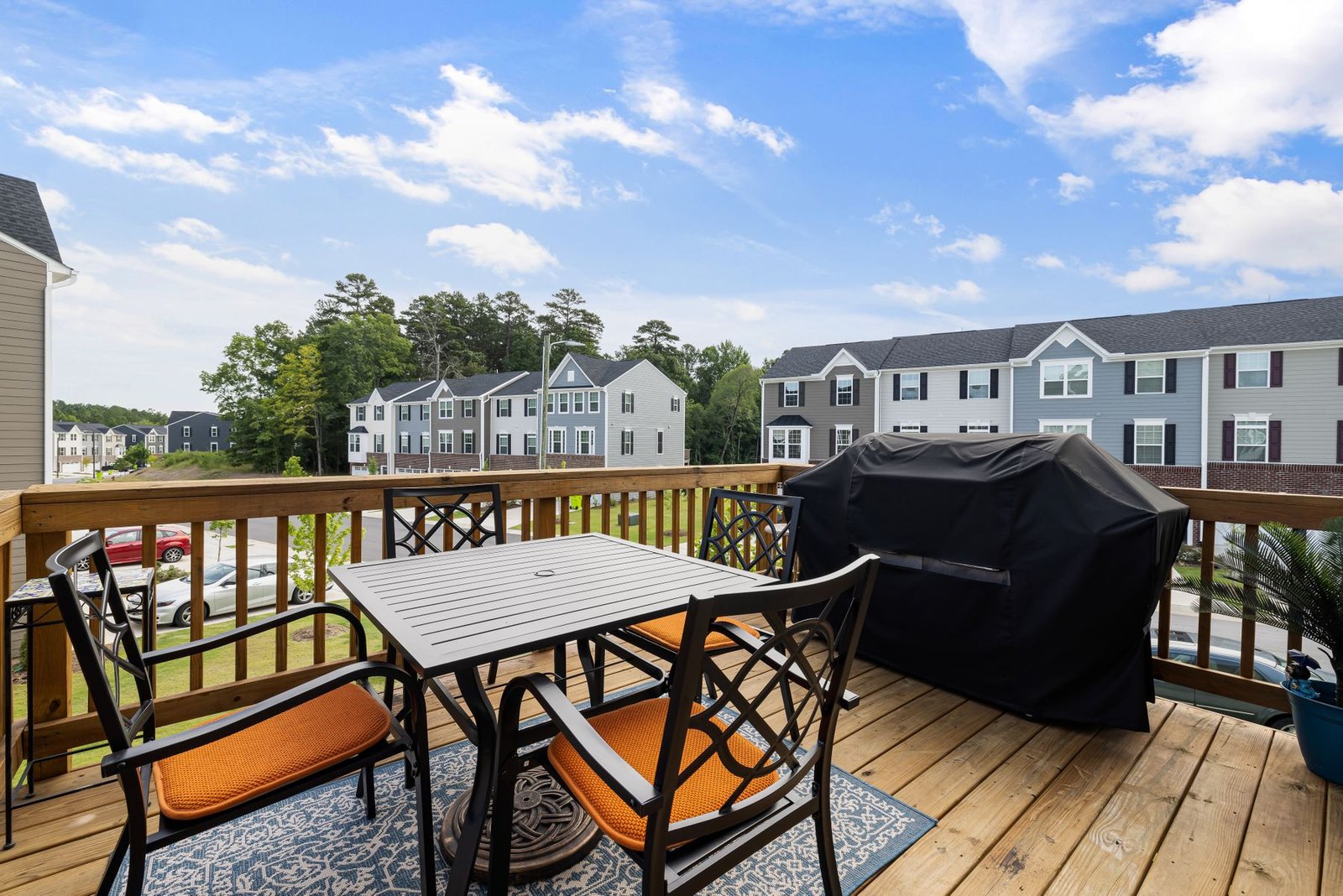
New decks laid out for the span, the soil and the snow load your lot actually has.
What this involves →
Rot, loose ledgers, split boards and failing rails put right before they turn into a rebuild.
What this involves →Where we work
The same job costs and behaves differently in Verdi than it does in Fernley. Each area page explains why.
Not on the list? Ask anyway — the boundary is fuzzy at the edges.
Next step
Species, aspect and finish schedule are one conversation. Tell us where the deck goes and how much sun it takes.
No obligation. Every estimate starts with a walkthrough of the site and a straight conversation about what the ground, the span and the budget will allow.