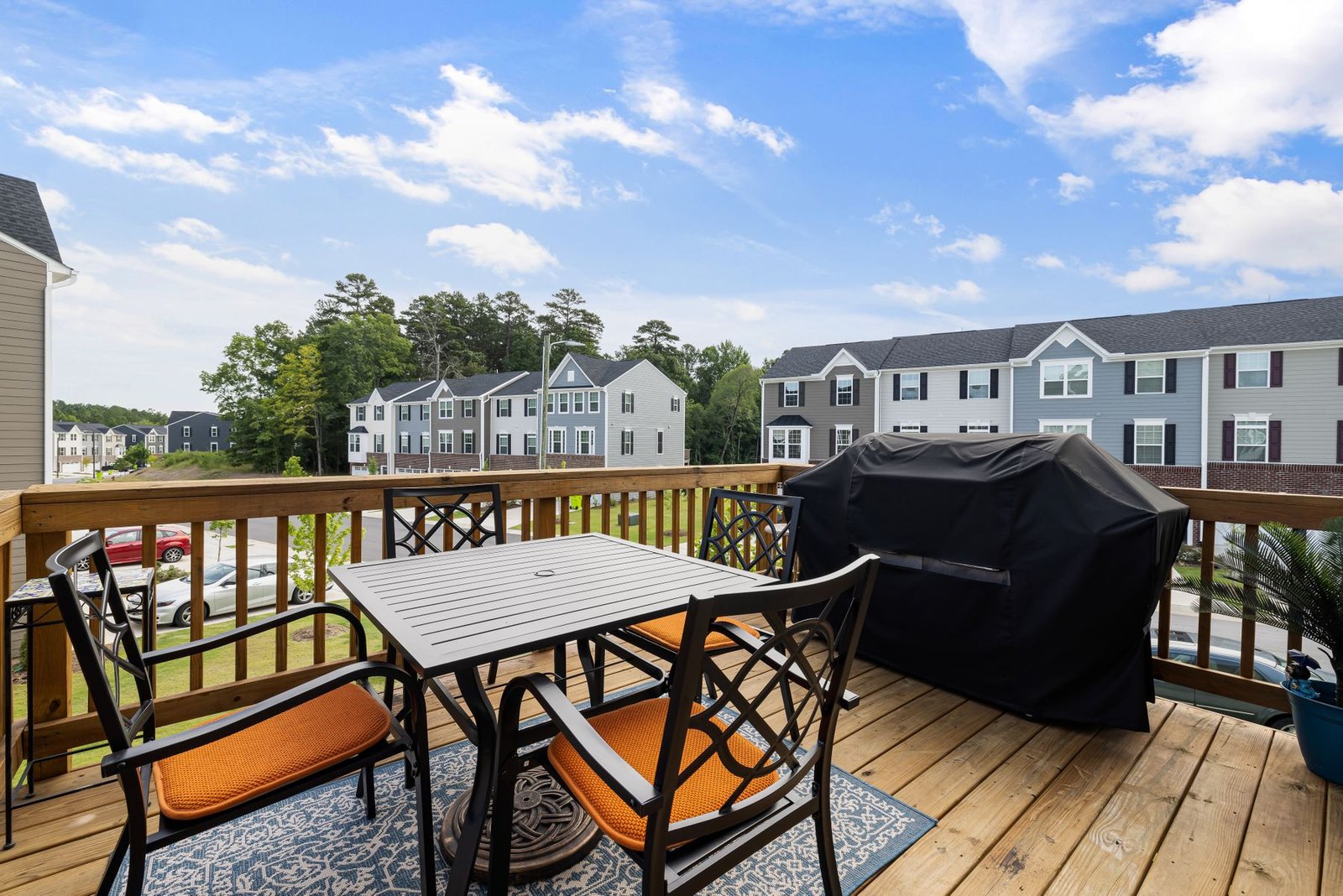
Deck Installation
New decks laid out for the span, the soil and the snow load your lot actually has.
What this involves →Decks for Stead, Lemmon Valley, Golden Valley, Silver Lake and Cold Springs — open, high and windy, where railings and shade structures get tested every spring.
No obligation. Every estimate starts with a walkthrough of the site and a straight conversation about what the ground, the span and the budget will allow.
Building here
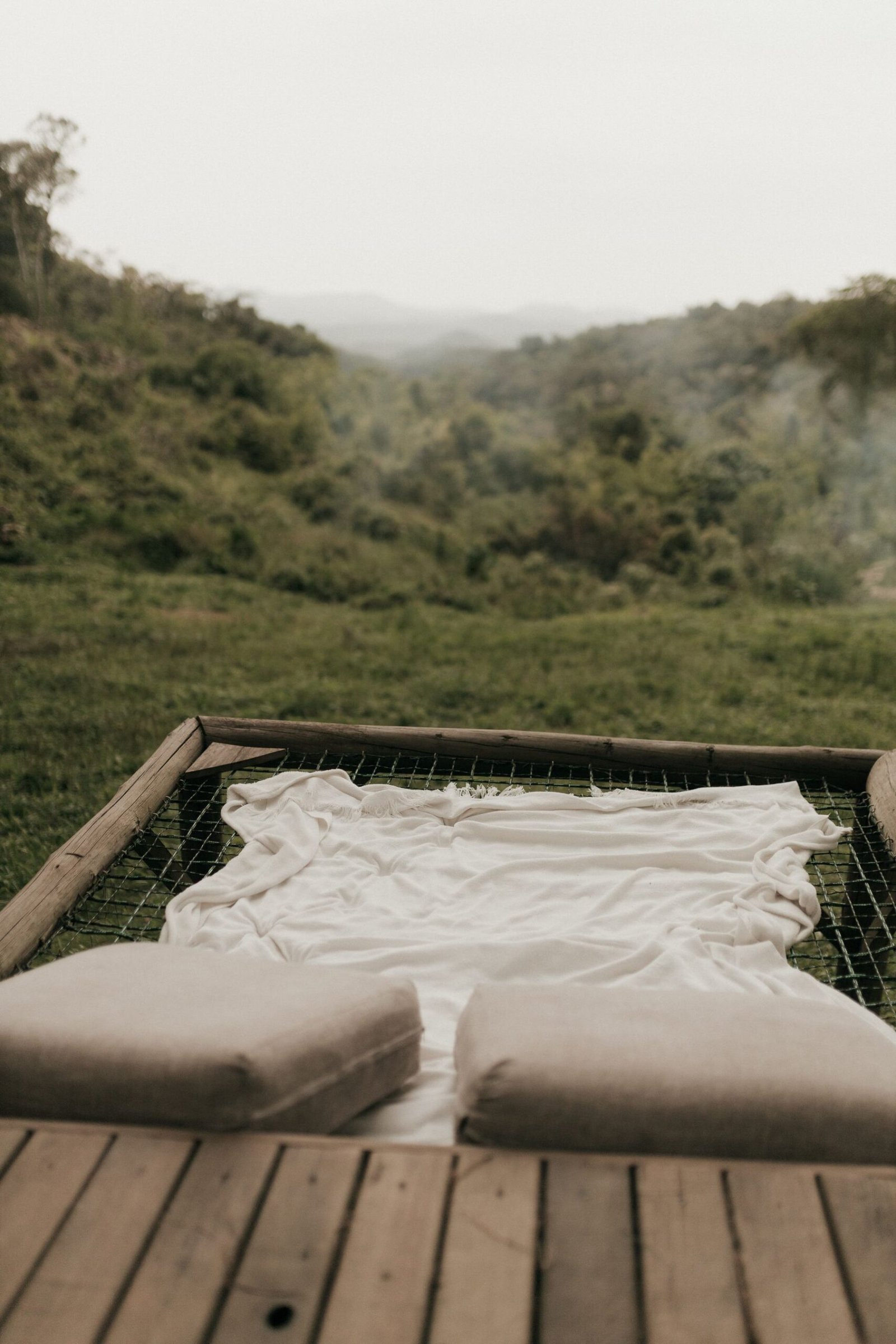
Drive north out of Reno and the landscape opens up. The North Valleys sit higher than the Meadows floor, the tree cover largely disappears, and there is very little between a house and the weather. That exposure is the defining fact of building an outdoor structure up here, and it shows up in three places: wind, cold and water.
Wind first, because it is the one people underestimate. Northern Nevada’s regional code amendments set a basic design wind speed for this area, and out on open ground with no windbreak a deck experiences close to the full value. That matters most for anything that catches air — pergolas, shade sails, privacy screens and solid-panel railings all become sails, and they transfer that load into posts and footings that a sheltered deck would never see. It is why we detail railings differently here, and why we ask hard questions about shade structures before agreeing to build one.
Then water, which is counter-intuitive in a place this dry. Several of these valleys are closed basins with no outlet, and the low ground around Swan Lake has flooded within recent memory, notably in 2017 when a wet winter put water into homes and roads in Lemmon Valley. On the lower parcels a high seasonal water table changes footing excavation entirely, and it is worth knowing where your lot sits relative to the historical high-water line before deciding how low the deck will be.
Jurisdiction is genuinely mixed up here. Stead and much of the developed North Valleys sit inside Reno city limits; other parcels, including parts of Lemmon Valley, Golden Valley and Cold Springs, are unincorporated Washoe County. The boundary is not obvious from the street, and it decides which building department reviews your deck.
Three conditions define almost every deck project in the North Valleys.
On open ground with no windbreak, anything that catches air — a pergola, a shade sail, a solid privacy panel — loads the posts and footings hard. We size the structure for what you actually want to put on it, and we will tell you when a shade structure needs more footing than the deck it sits on.
In the low ground of these closed basins, groundwater can sit much higher than people expect, and Swan Lake’s 2017 flooding is the local memory of what a wet winter does. It changes footing excavation and it argues for keeping the frame well clear of grade.
Stead is inside Reno. Parts of Lemmon Valley, Golden Valley and Cold Springs are unincorporated Washoe County. Two neighbours on the same road can answer to different building departments, so we check the parcel record before we do anything else.
What we build in North Valleys
The same six services, applied to what this ground and this elevation actually present.
New decks laid out for the span, the soil and the snow load your lot actually has.
What this involves →
Rot, loose ledgers, split boards and failing rails put right before they turn into a rebuild.
What this involves →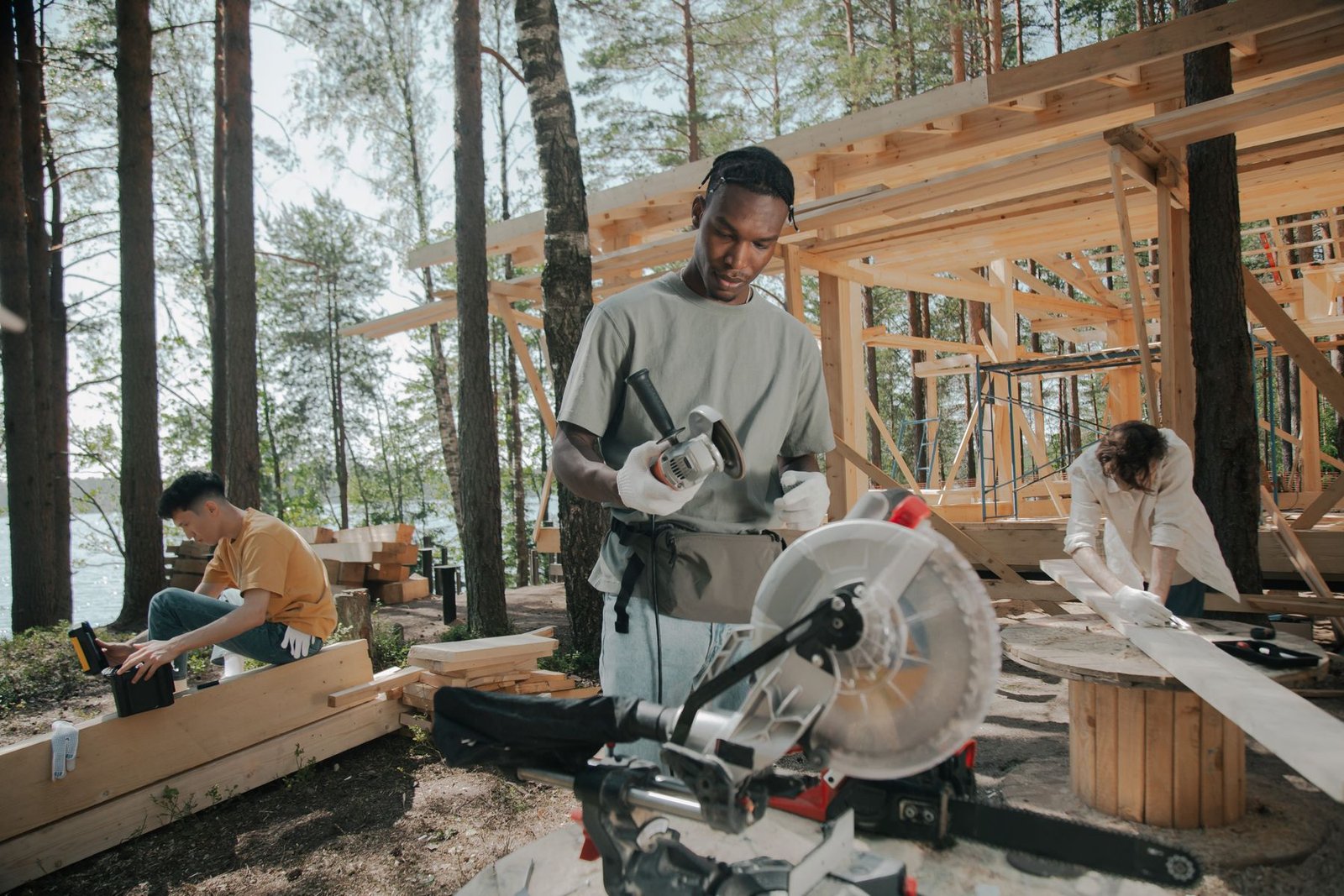
Tearing out a deck that has reached the end of its life and rebuilding on sound footings.
What this involves →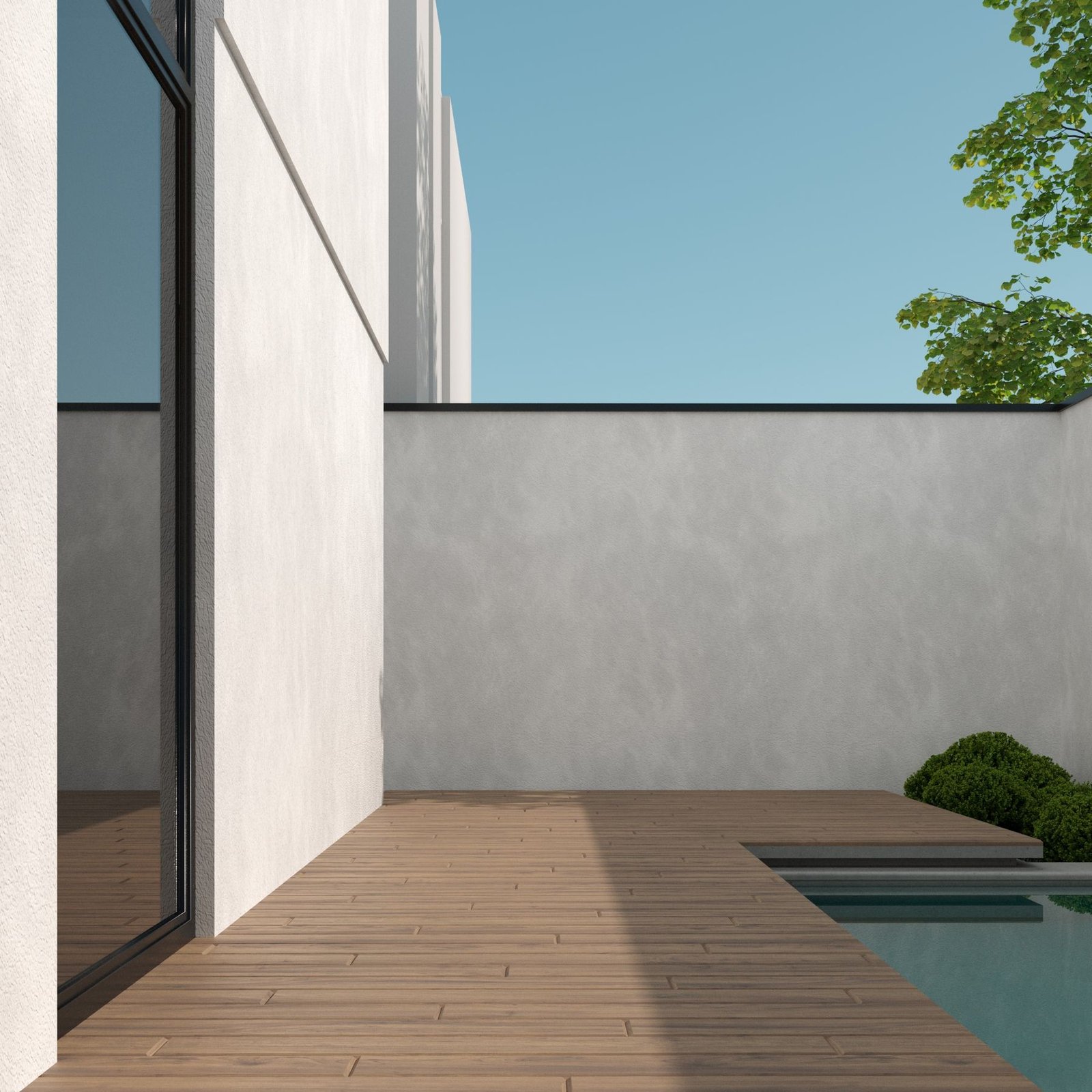
Capped composite and PVC boards for owners who would rather not re-stain every other summer.
What this involves →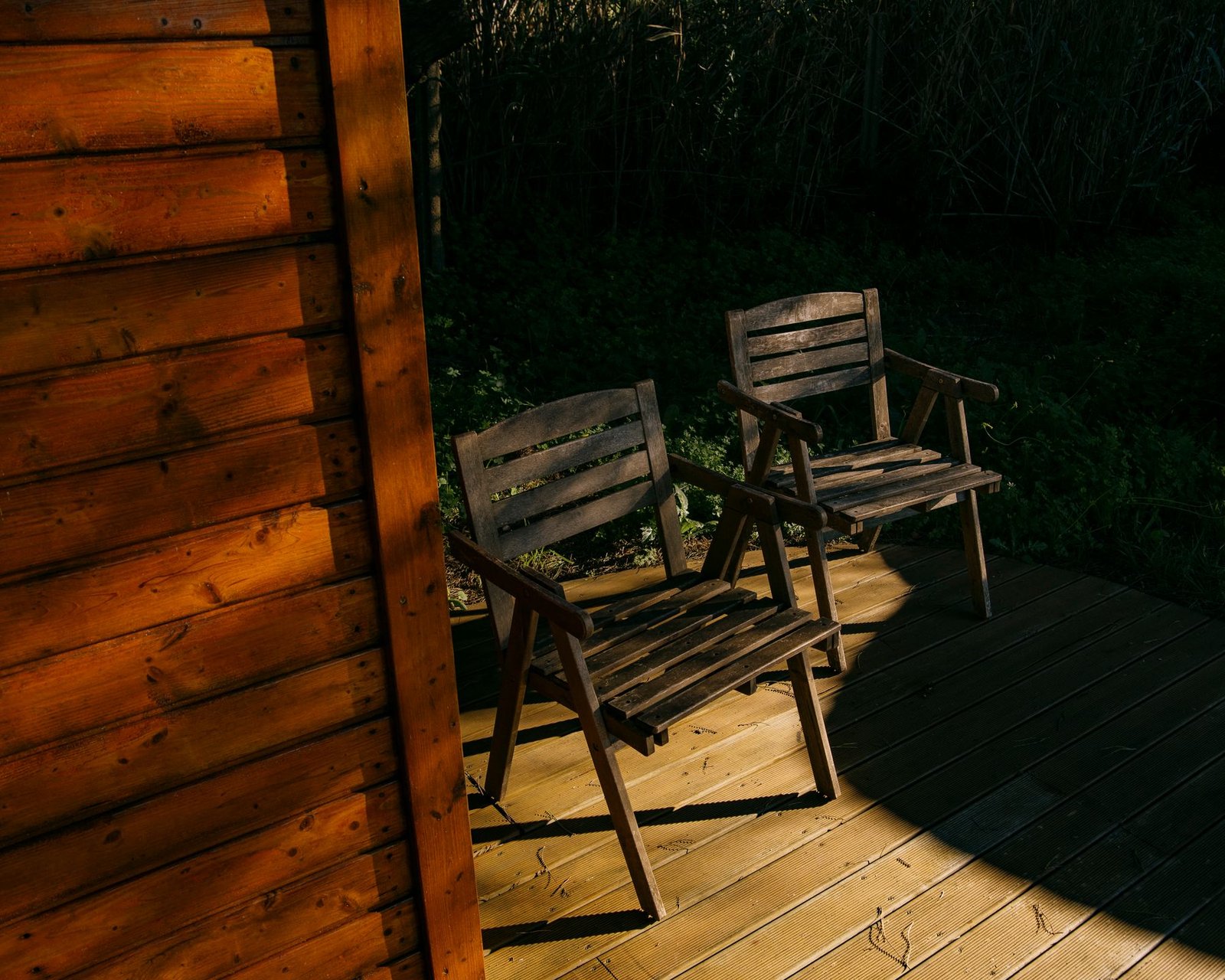
Cedar, redwood and pressure-treated pine built to move with Nevada temperature swings.
What this involves →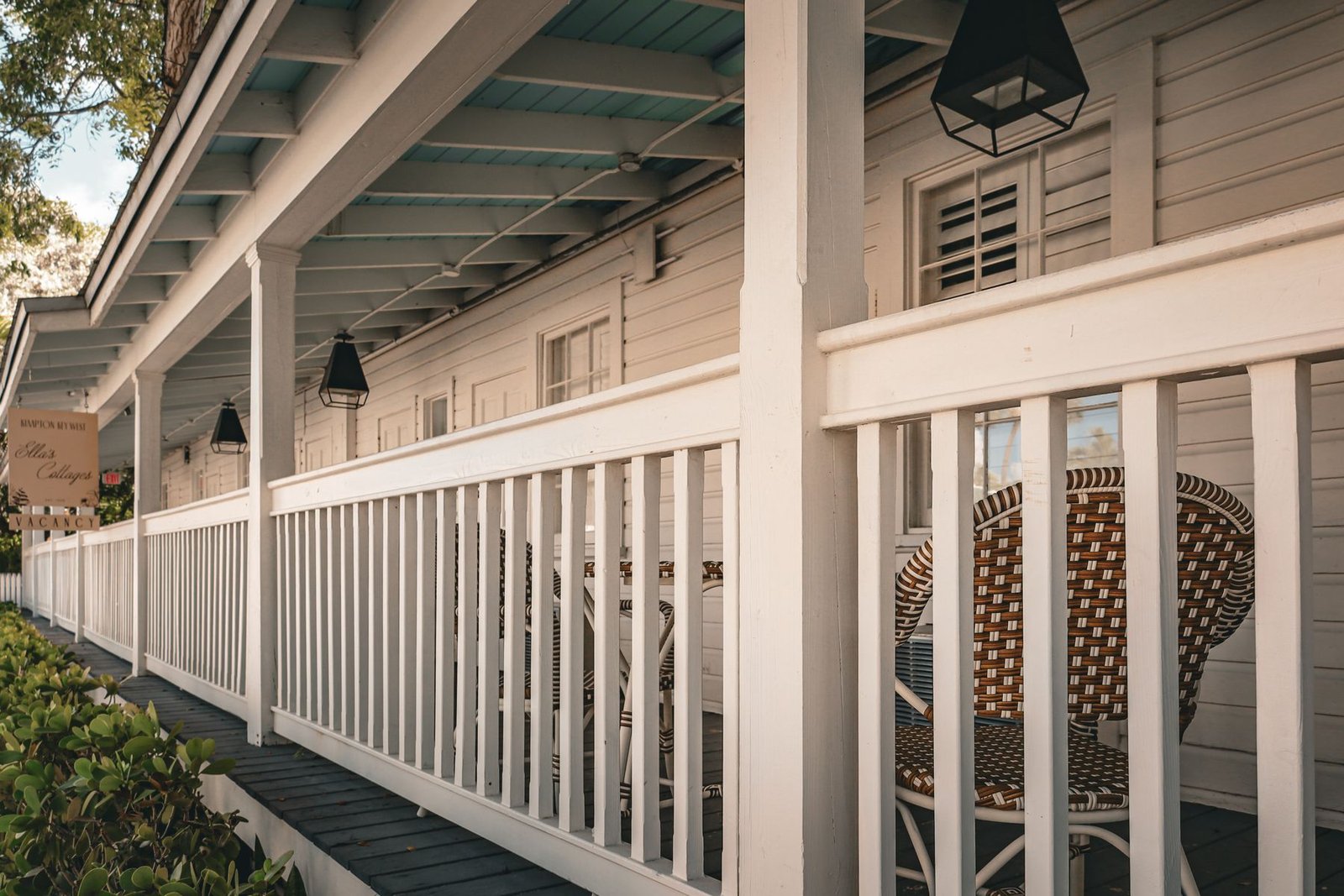
Guardrails, cable and metal infill that meet code height and open-space limits.
What this involves →Before you start
Not a code list. These are the things that most often change a design or a price in North Valleys.
North Valleys questions
For the deck surface itself, rarely. For anything you attach above it, frequently. A pergola, a shade sail, a solid privacy screen or a glass railing panel all present a face to the wind, and out here on open ground there is nothing to slow it down.
The load ends up in the posts and the footings. It is entirely manageable when it is designed for from the start — deeper footings, larger posts, bracing — and it is a genuine problem when a shade structure is added later to a deck that was never sized for it.
It depends entirely on where your parcel sits. These are closed basins with no natural outlet, so in a wet year water accumulates rather than draining away, and the 2017 event put water into properties in Lemmon Valley.
If your lot is in the low ground, the practical consequences are a higher seasonal water table for footing excavation and a strong argument for keeping the frame well clear of grade. Washoe County and the City of Reno hold the flood mapping; it is worth checking your parcel before designing a deck close to the ground.
Both, depending on the parcel. Stead and a good deal of the developed area are inside City of Reno limits and go through Reno Development Services. Other parcels — including parts of Lemmon Valley, Golden Valley and Cold Springs — are unincorporated and fall to Washoe County Building and Safety.
The Washoe County Assessor’s parcel record settles it. We establish this at the start because it determines the submittal, the fees and the inspection schedule.
Meaningfully, yes. The North Valleys sit several hundred feet above the Meadows floor and they hold cold air, so snow lingers and frost goes deeper than it does in central Reno. Ground snow load in the region is published against elevation, so the figure that applies to your parcel is higher than the one that applies downtown.
For a deck that mostly means correctly sized framing and footings at the proper depth. Confirm the figures with the authority for your parcel.
Often. Shallow rock and decomposed granite are common through these valleys, and on some parcels a footing that should take twenty minutes takes an afternoon. It slows a job; it very rarely stops one.
This is exactly why we dig test holes before finalising a footing layout rather than after — finding rock on the day you had planned to pour is how schedules and budgets come apart.
Nearby
Conditions change quickly around here. Each of these has its own page.
See all twenty-five on the service areas page, or start from the Sparks homepage.
Next step
Tell us whether your lot is exposed or sheltered, and whether you want anything overhead. Those two answers change the structure more than the deck size does.
No obligation. Every estimate starts with a walkthrough of the site and a straight conversation about what the ground, the span and the budget will allow.