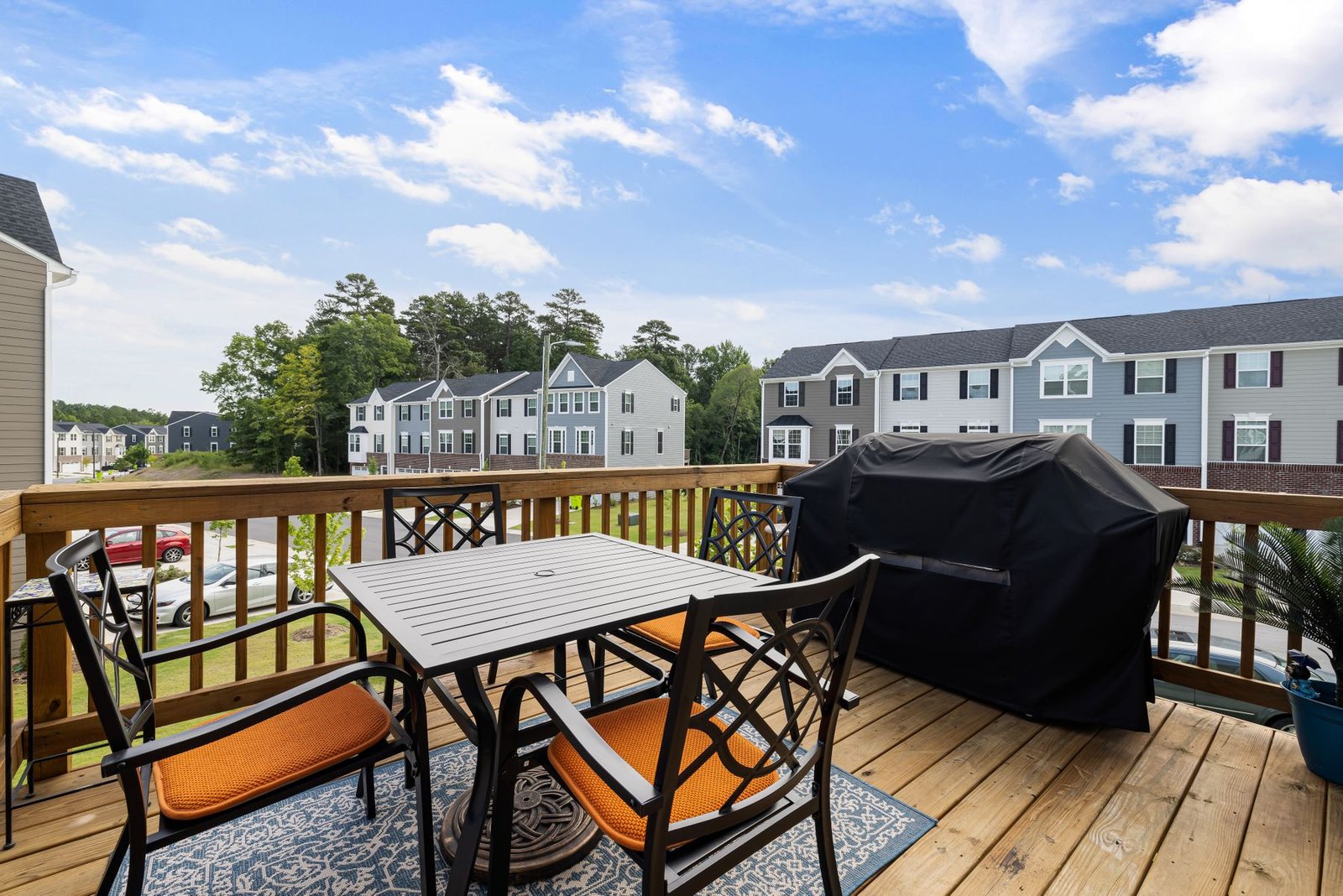
Deck Installation
New decks laid out for the span, the soil and the snow load your lot actually has.
What this involves →Decks for Mogul — narrow benches along the Truckee west of Reno, mixing old river cabins with newer homes.
No obligation. Every estimate starts with a walkthrough of the site and a straight conversation about what the ground, the span and the budget will allow.
Building here
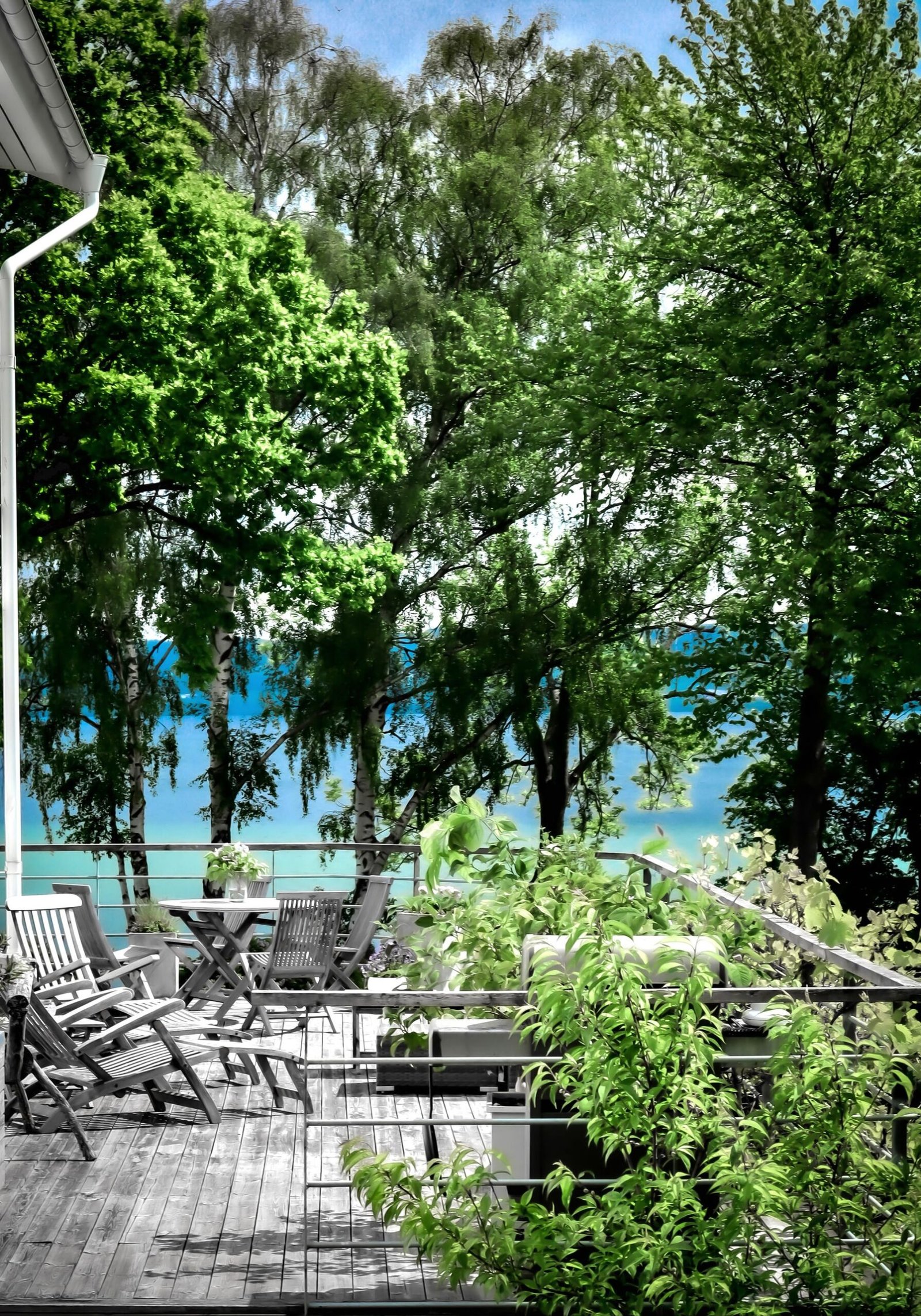
Mogul sits between Reno and Verdi along the Truckee, on the benches and terraces the river has cut. It is unincorporated Washoe County, and the housing is genuinely mixed — older river properties and small cabins alongside newer builds on the higher ground, sometimes on the same street.
Two features dominate. The first is the river: parcels down on the lower terraces can fall within mapped floodplain, and that changes what may be built and how close to the water. It is a matter of public record rather than judgement, and it is worth establishing before a design exists. The second is the shape of the land — these are narrow benches, so lots are frequently long and thin with a drop at one end, which concentrates where a deck can sensibly go and how high it stands at its outer edge.
Elevation puts Mogul above the Meadows floor without reaching Verdi’s figures, so ground snow load is a middle number worth confirming rather than assuming from either direction. On the older river properties the usual caution applies: decks added over the decades, often owner-built and unpermitted, with nailed ledgers and no flashing. On a house that has been extended and altered several times, we look before we attach anything to it.
Three things shape a Mogul deck.
Parcels near the river may sit within mapped floodplain, which affects what can be built and where. Washoe County holds the mapping and it is a five-minute check that can save a redesign.
Lots here tend to be long and thin with a drop at one end. That concentrates where a deck can go, and it often means the outer edge stands high enough to bring guardrails and stairs into the design.
River cabins and small older houses have frequently been extended and re-decked more than once. Before bolting a new ledger to anything, we find out what is actually behind the siding.
What we build in Mogul
The same six services, applied to what this ground and this elevation actually present.
New decks laid out for the span, the soil and the snow load your lot actually has.
What this involves →
Rot, loose ledgers, split boards and failing rails put right before they turn into a rebuild.
What this involves →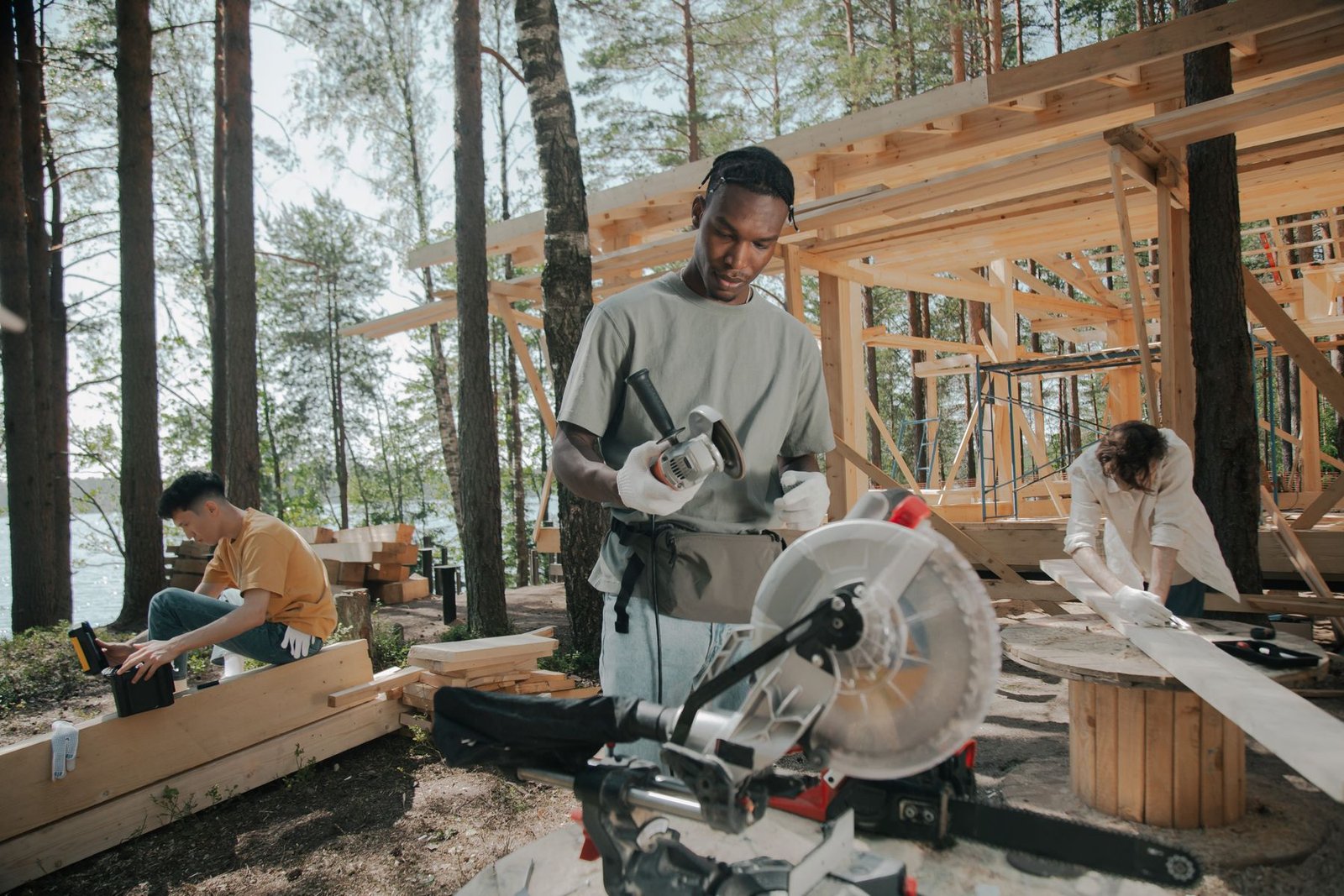
Tearing out a deck that has reached the end of its life and rebuilding on sound footings.
What this involves →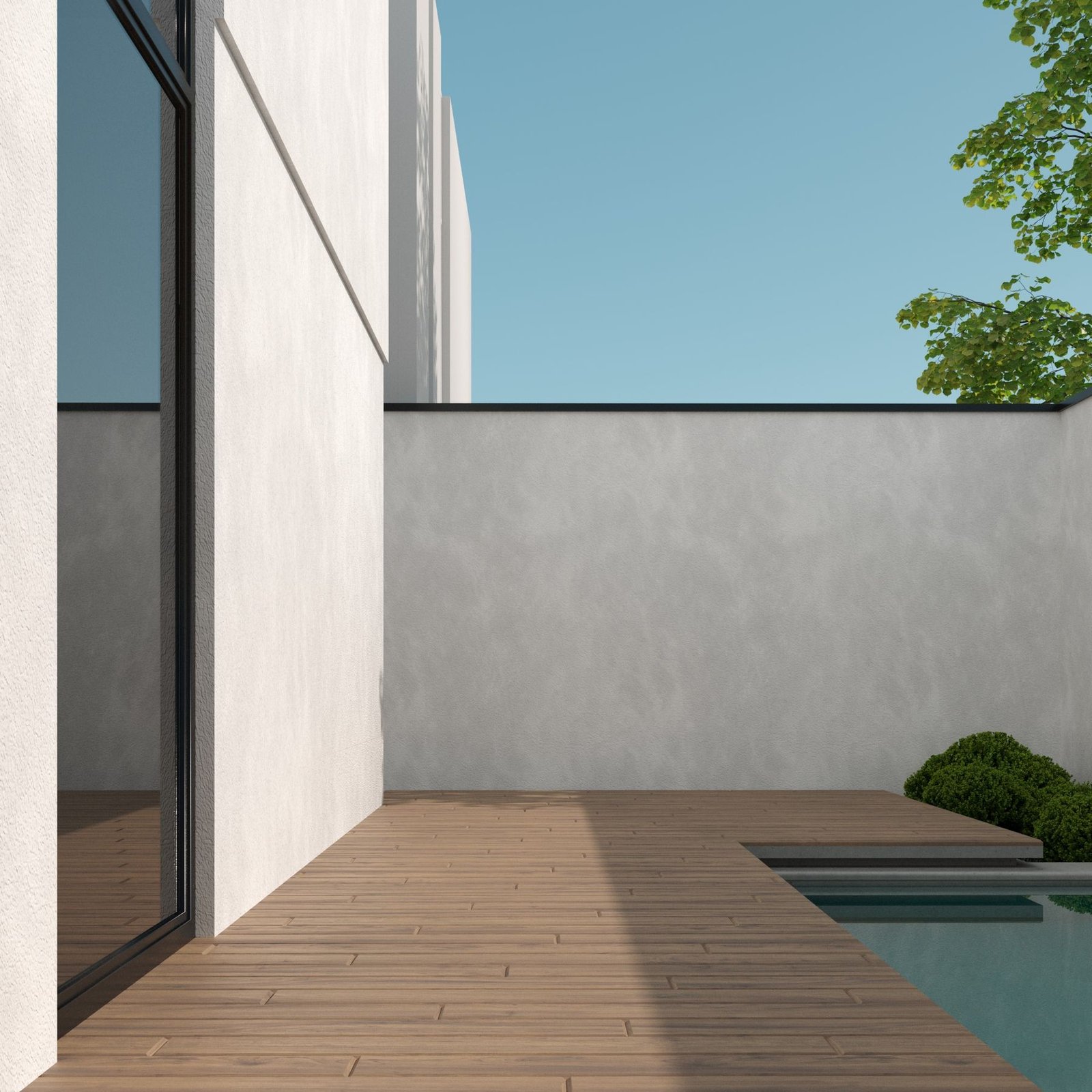
Capped composite and PVC boards for owners who would rather not re-stain every other summer.
What this involves →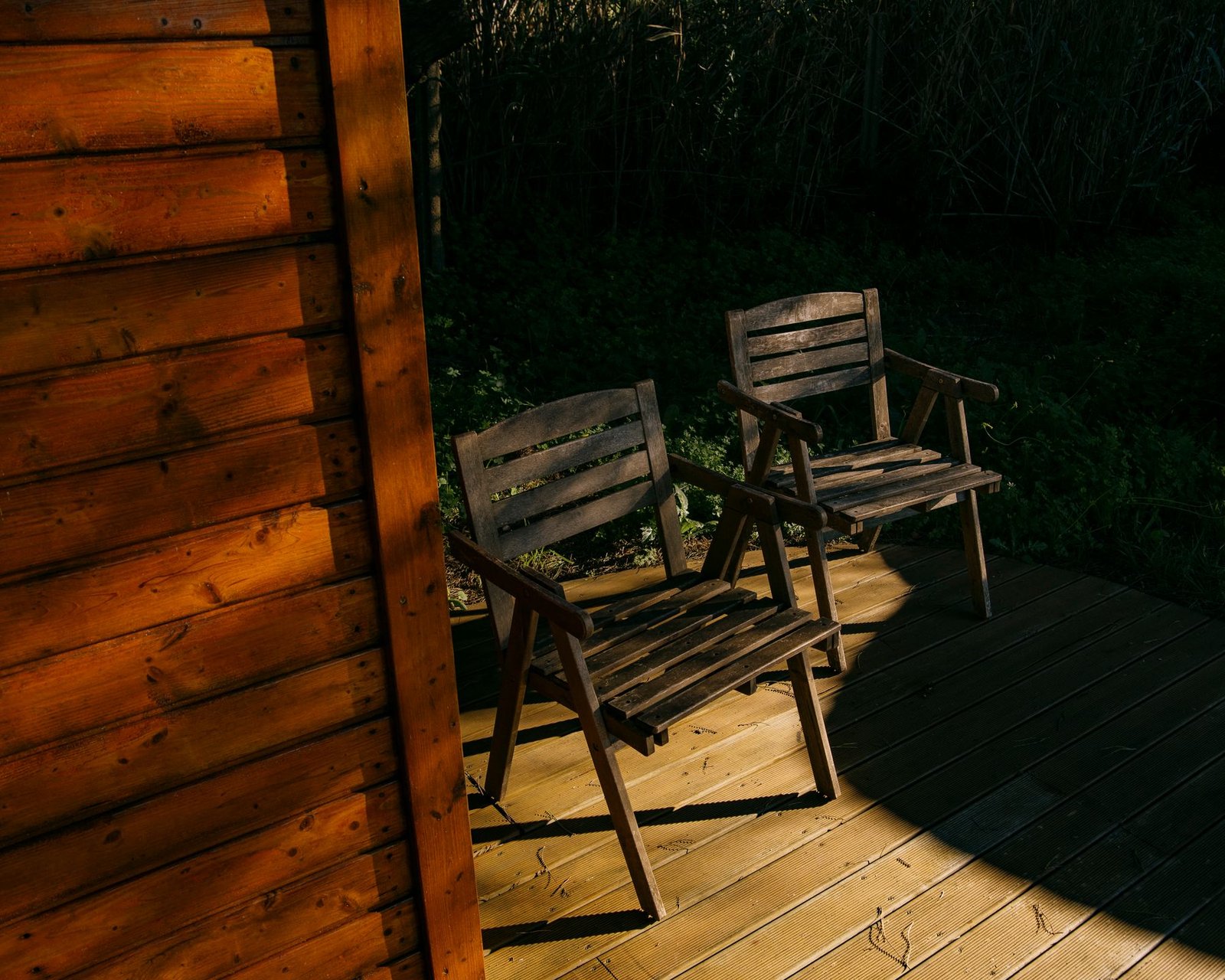
Cedar, redwood and pressure-treated pine built to move with Nevada temperature swings.
What this involves →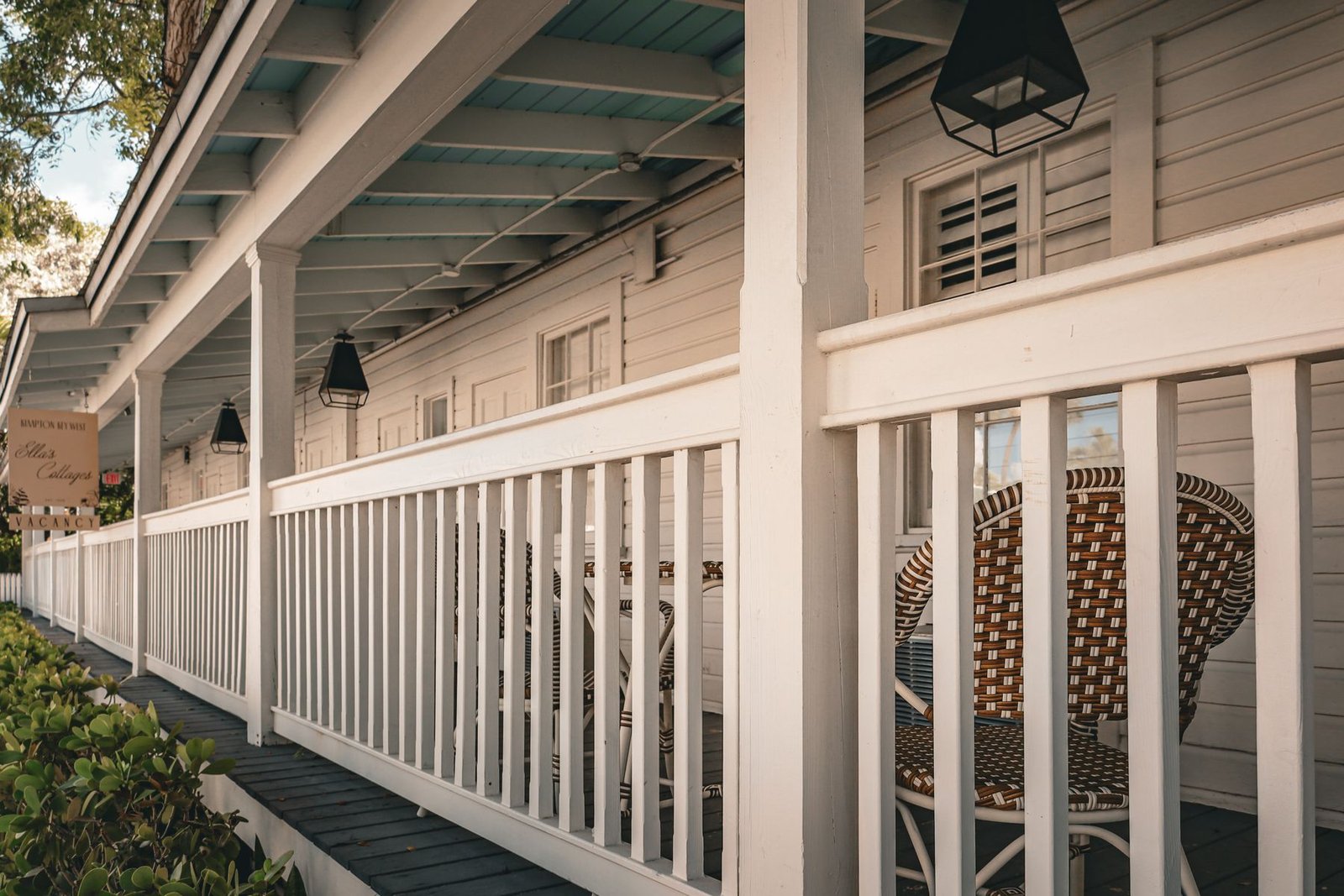
Guardrails, cable and metal infill that meet code height and open-space limits.
What this involves →Before you start
Not a code list. These are the things that most often change a design or a price in Mogul.
Mogul questions
Some are, particularly on the lower terraces close to the Truckee. It is not something to judge by eye, because the mapped extent does not always match what looks obvious from the bank.
Washoe County holds the flood mapping and can tell you what applies to your parcel. Establish it before designing a deck that extends towards the river.
Often yes, and it is the obvious thing to want here. Two things govern it: whether the parcel sits within mapped floodplain and what that permits, and the ordinary setback and height rules.
A deck on a bench above the river frequently stands high at its outer edge, which brings guardrails and, past ten feet above grade, engineered plans. Neither stops the project; both belong in the design from the start.
Often, but not on assumption. Older properties here have usually been extended and altered repeatedly, and what a ledger would bolt into may be original framing, may be a later addition, or may be something in between.
Where the rim joist condition cannot be established with confidence, a freestanding deck carries its own load and removes the question entirely. It costs a few more footings and it is frequently the right answer on a building of uncertain history.
Locally, yes — the riparian corridor holds moisture and shade in a way the open valley does not, and a deck close to grade there stays damp longer after rain or snowmelt.
The answers are the standard ones done properly: keep the frame clear of grade, use standoff post bases so end grain is not in contact with wet ground, and leave airflow underneath. Composite decking is also a reasonable choice on the damper parcels.
Washoe County Building and Safety, since Mogul is unincorporated. Applications go through the regional ONE portal at onenv.us, which is shared with the City of Reno and other jurisdictions in the area.
Some parcels at the eastern edge shade towards Reno city limits, so if you are close to the boundary it is worth confirming with the Assessor’s parcel record.
Nearby
Conditions change quickly around here. Each of these has its own page.
See all twenty-five on the service areas page, or start from the Sparks homepage.
Next step
Tell us how far your lot sits from the river and how much it falls. Those two answers do most of the work here.
No obligation. Every estimate starts with a walkthrough of the site and a straight conversation about what the ground, the span and the budget will allow.