Deck Installation
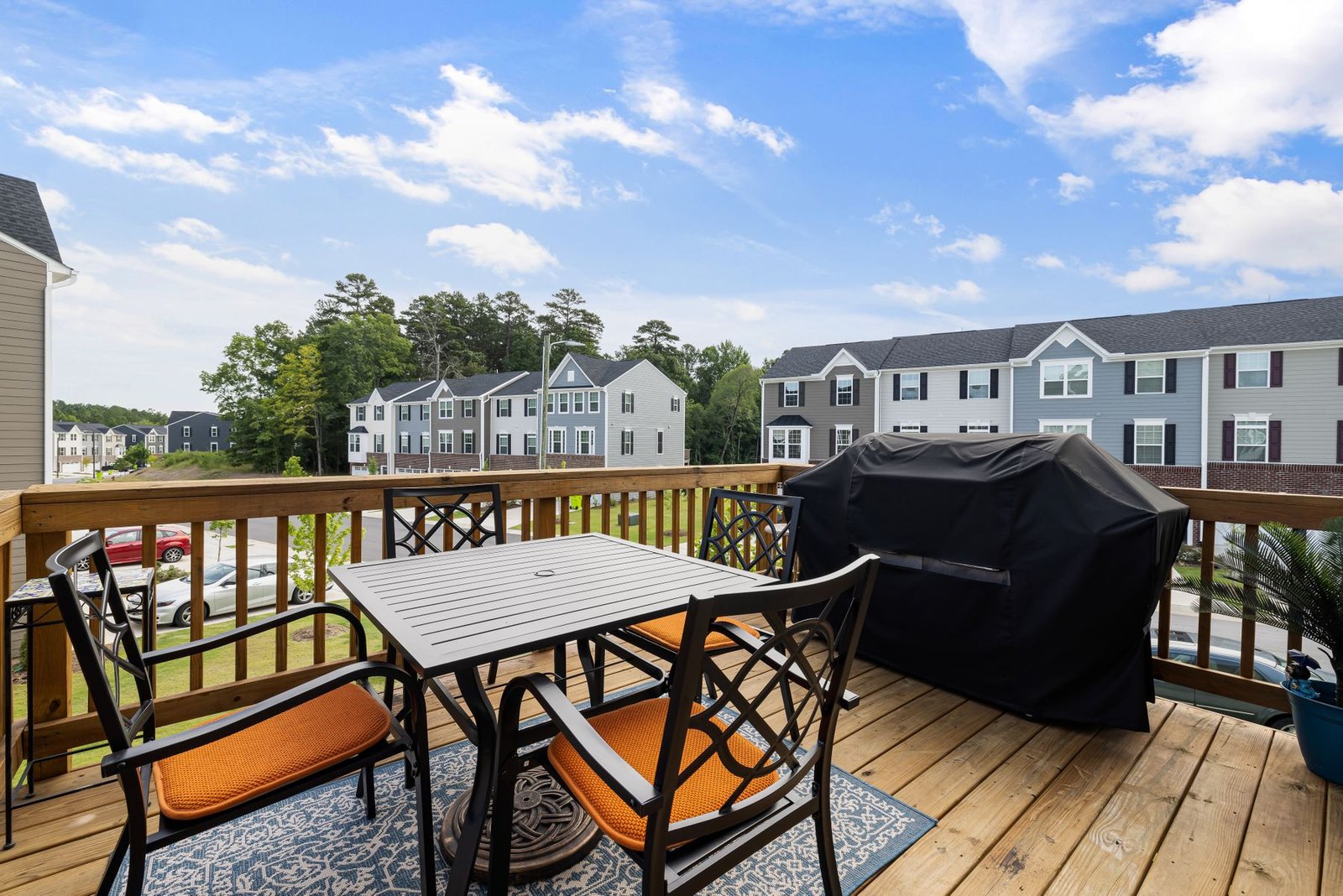
New decks laid out for the span, the soil and the snow load your lot actually has.
What this involves →Six services covering the whole life of a deck — from a first build on bare ground to putting right the one that has quietly been rotting at the ledger for six years.
No obligation. Every estimate starts with a walkthrough of the site and a straight conversation about what the ground, the span and the budget will allow.
How to choose
Very few homeowners ring up asking for a partial re-frame with new joist hangers and a ledger flashing detail. They ring up because the deck feels bouncy, or a board has split, or the railing moves when you lean on it, or because the back door opens onto nothing and they would like it to open onto somewhere to sit.
So the first job is working out which service you are actually buying. That decision is nearly always made under the deck rather than on top of it. If the posts, beams, joists and the ledger connection are sound, a great deal can be fixed cheaply. If the frame is compromised — and in Northern Nevada it usually fails at the ledger or at the post bases where they meet concrete — then money spent on new surface boards is money spent on a structure that is still going to have to come out.
The other fork is material. Wood and composite are not competing on quality; they age differently and they ask different things of you. That is worth a proper conversation rather than a quick preference, because at this elevation the sun does more damage to a finish than the winter does.
Below is what each service actually covers. If you are still not sure which one you need, send photos of the underside of your deck and the point where it meets the house, and we will tell you.
The six services
New decks laid out for the span, the soil and the snow load your lot actually has.
What this involves →Rot, loose ledgers, split boards and failing rails put right before they turn into a rebuild.
What this involves →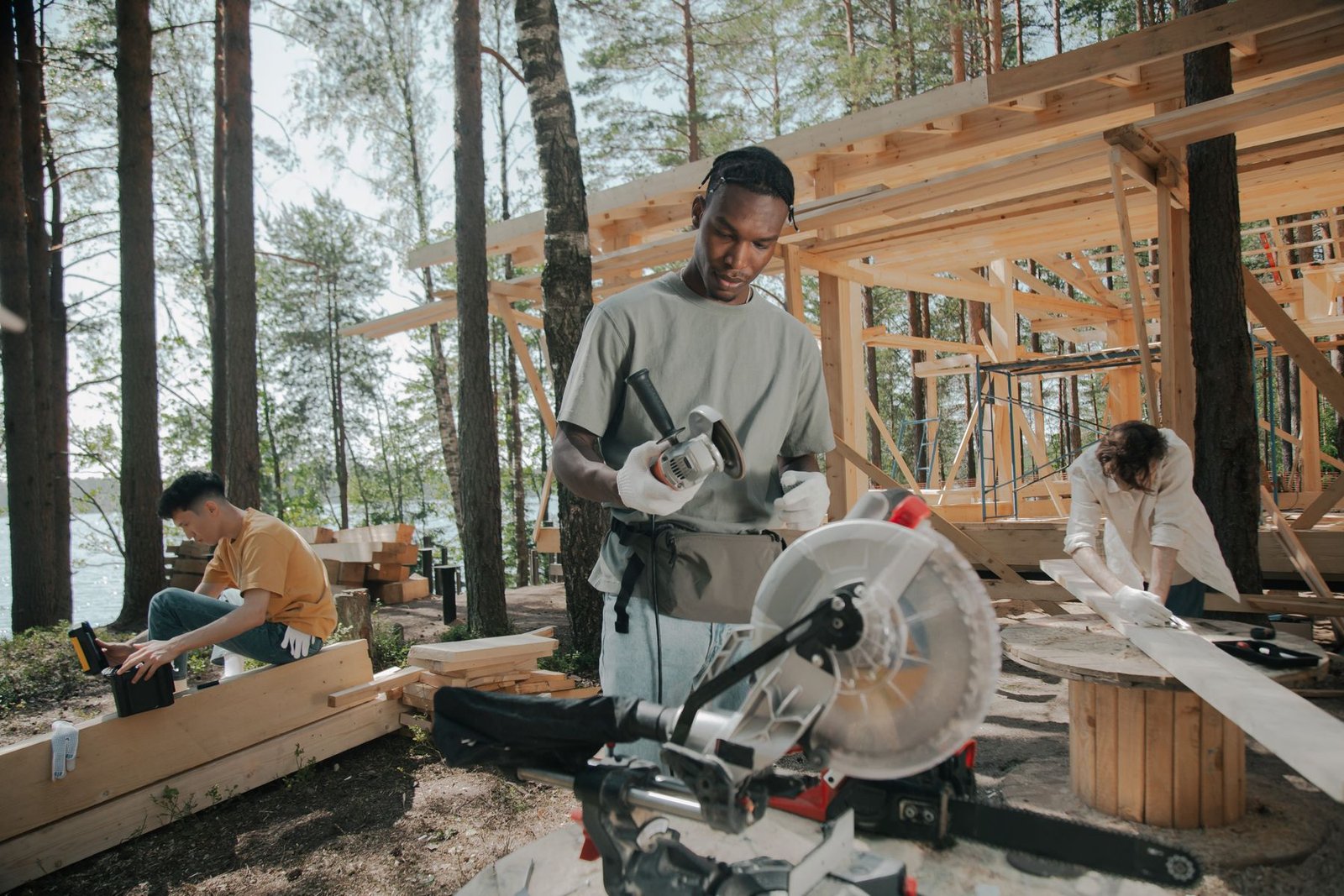
Tearing out a deck that has reached the end of its life and rebuilding on sound footings.
What this involves →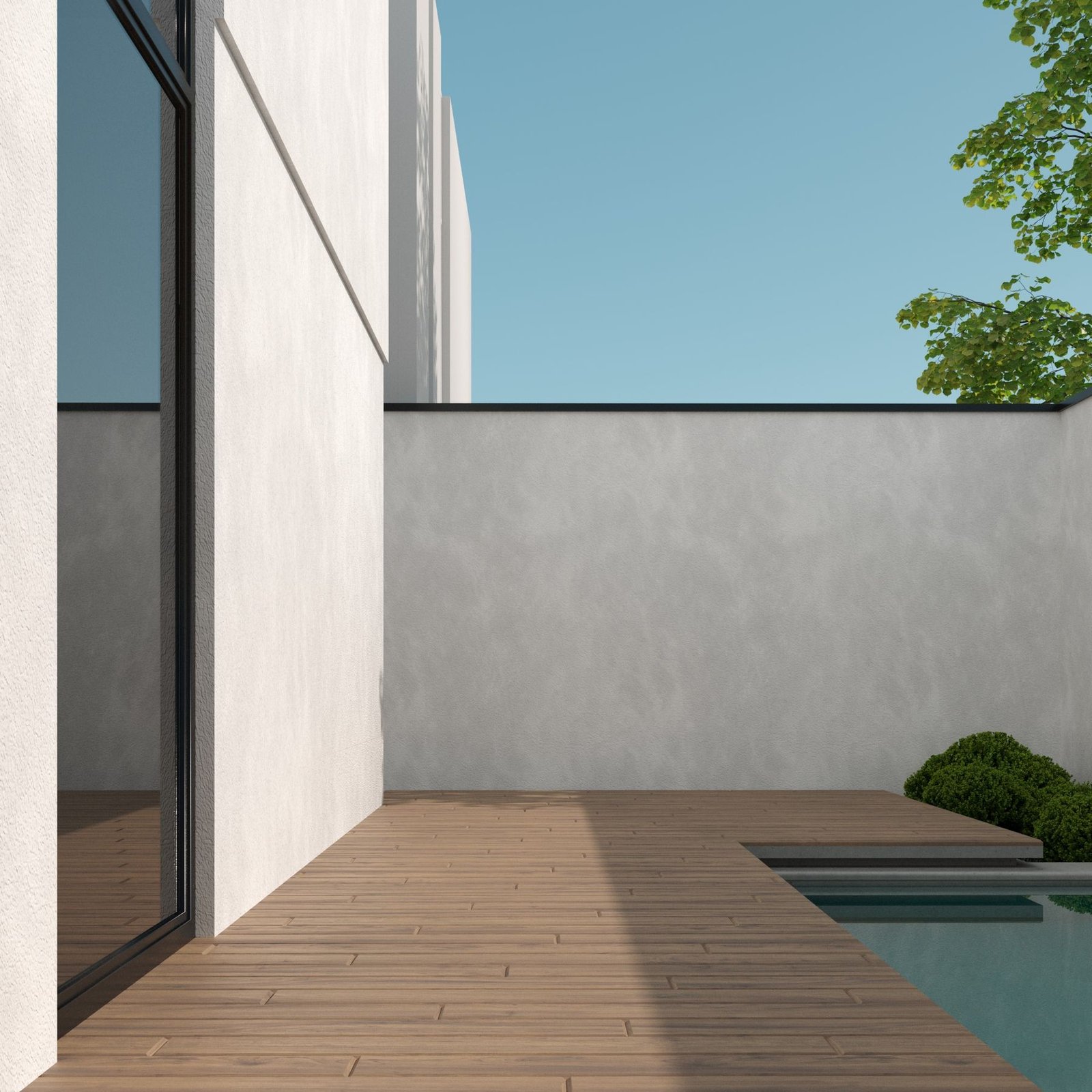
Capped composite and PVC boards for owners who would rather not re-stain every other summer.
What this involves →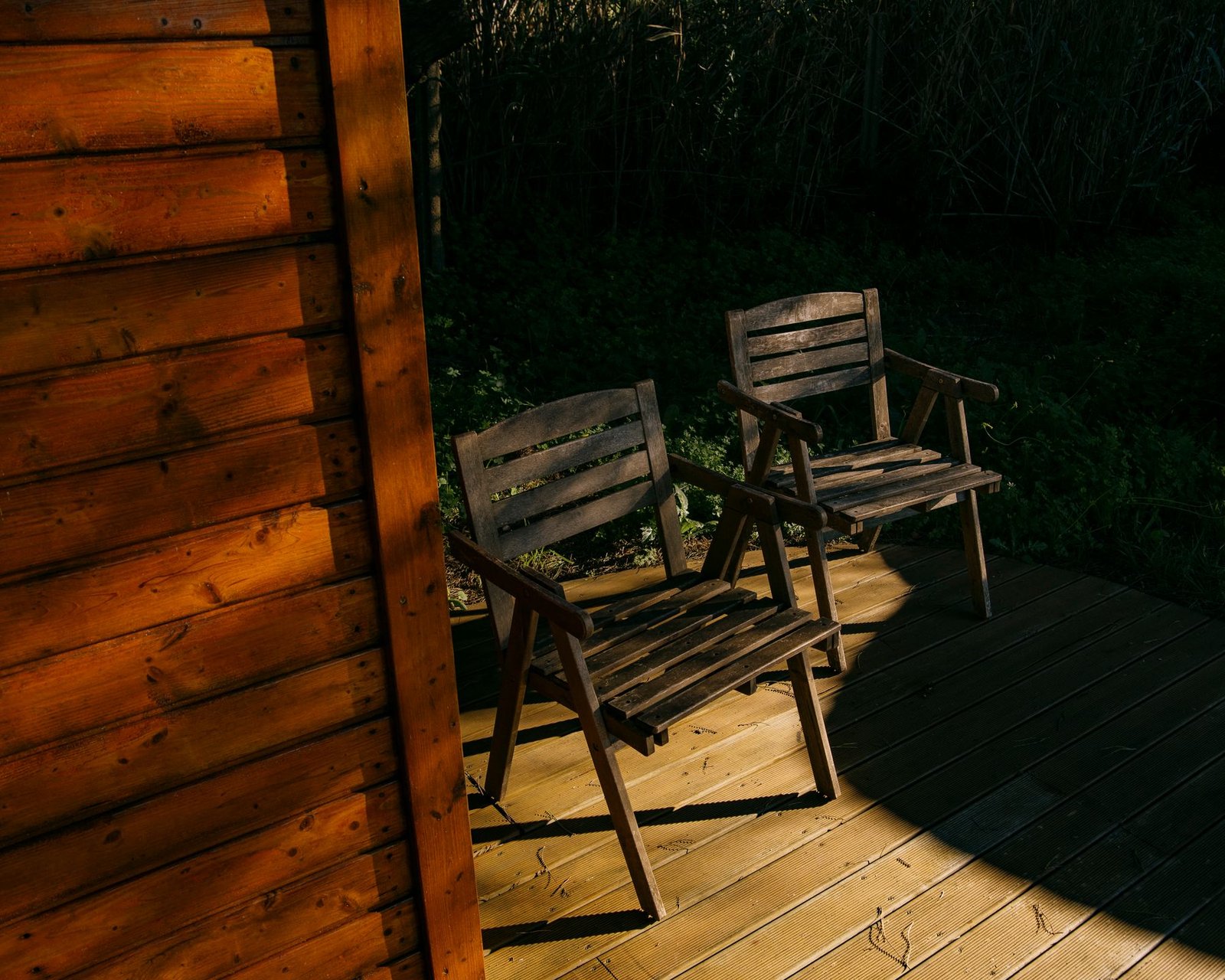
Cedar, redwood and pressure-treated pine built to move with Nevada temperature swings.
What this involves →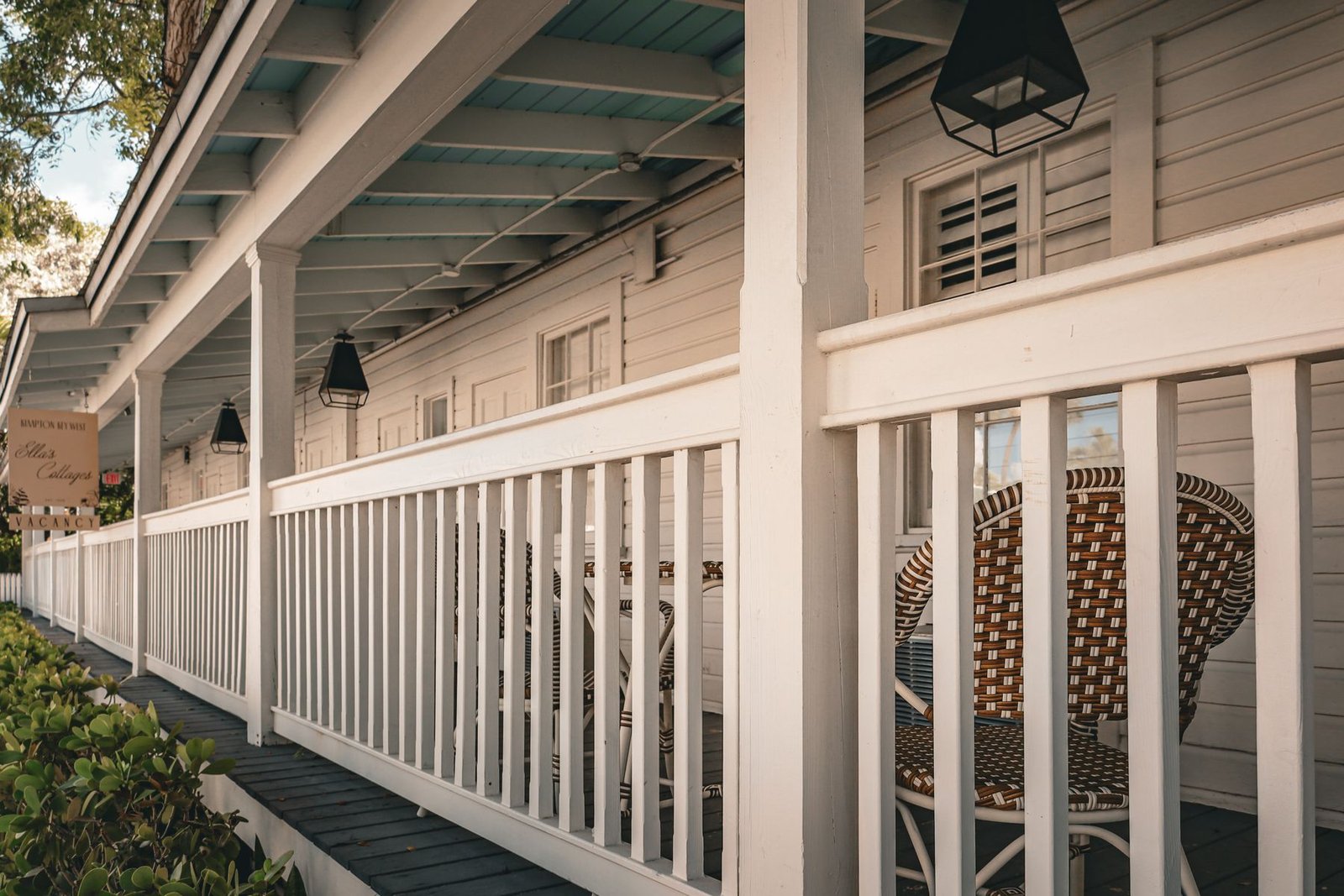
Guardrails, cable and metal infill that meet code height and open-space limits.
What this involves →Common to every job
Ground conditions, the wall the deck attaches to, drainage, access for materials, and how you want to use the space.
We look under the deck, not just at it. Ledger, hangers, post bases and beam bearing tell us what is really going on.
Dimensions, a materials list in plain language, and an honest note on where the money goes and what it buys.
Establishing whether Reno, Sparks, Washoe County, Storey County or Lyon County governs the parcel, and filing what they require.
Footings and frame first, then surface, then guardrails and stairs. Cuts made on site so the deck fits the space.
Sign-off, site cleared, and a walk round so you understand how it is built and what it will want from you.
One calculator per service. Each one shows a range, itemises where the money goes and explains what would push your job to the top or the bottom of it. Planning estimates, not contractor quotes.
Questions
The frame decides. Surface boards are replaceable and relatively cheap. Posts, beams, joists and the ledger are the deck. If those are sound, repair is usually the better value; if the ledger has been letting water into the rim joist for years, or post bases have corroded where they sit on concrete, you are looking at replacement whatever the boards look like.
A useful test: if more than roughly a third of the framing needs work, the labour of cutting the old structure apart starts to cost more than building new. We will tell you which side of that line you are on before you spend anything.
Both. Replacing a run of split boards, resetting a loose guardrail or rebuilding a set of stairs are all real jobs and we do them. Small repairs also tend to reveal whether there is a bigger problem, which is worth knowing either way.
Usually in profile and layout, rarely in colour. Timber and composite both weather, and new boards next to ten-year-old boards will read as new for a season or two regardless of species or brand. Where a colour match matters, running the new boards as a defined section — a stair landing, a bay, a border — looks deliberate instead of patched.
Sometimes. Washoe County’s guidance calls for engineering on an uncovered deck where the ground snow load exceeds 70 psf, where the deck projects more than 12 feet from the house, or where it stands more than 10 feet above finished grade. Ground snow load here is driven by elevation, so foothill and Tahoe Basin properties reach that threshold and valley-floor properties generally do not.
Requirements change, so confirm the current position with the authority for your parcel. We will tell you at the walkthrough if we think you are near the line.
Bounce is a framing conversation, not a decking one. It usually means joists are undersized or over-spanned for the load, blocking is missing, or a beam has settled because a footing moved. Sometimes it is fixable by adding a beam and a line of footings; sometimes the frame was built to the wrong span from the start.
Either way it starts with deck repair and an honest look underneath.
Next step
Describe the problem in your own words and send a couple of photos. Working out which service applies is our job, not yours.
No obligation. Every estimate starts with a walkthrough of the site and a straight conversation about what the ground, the span and the budget will allow.