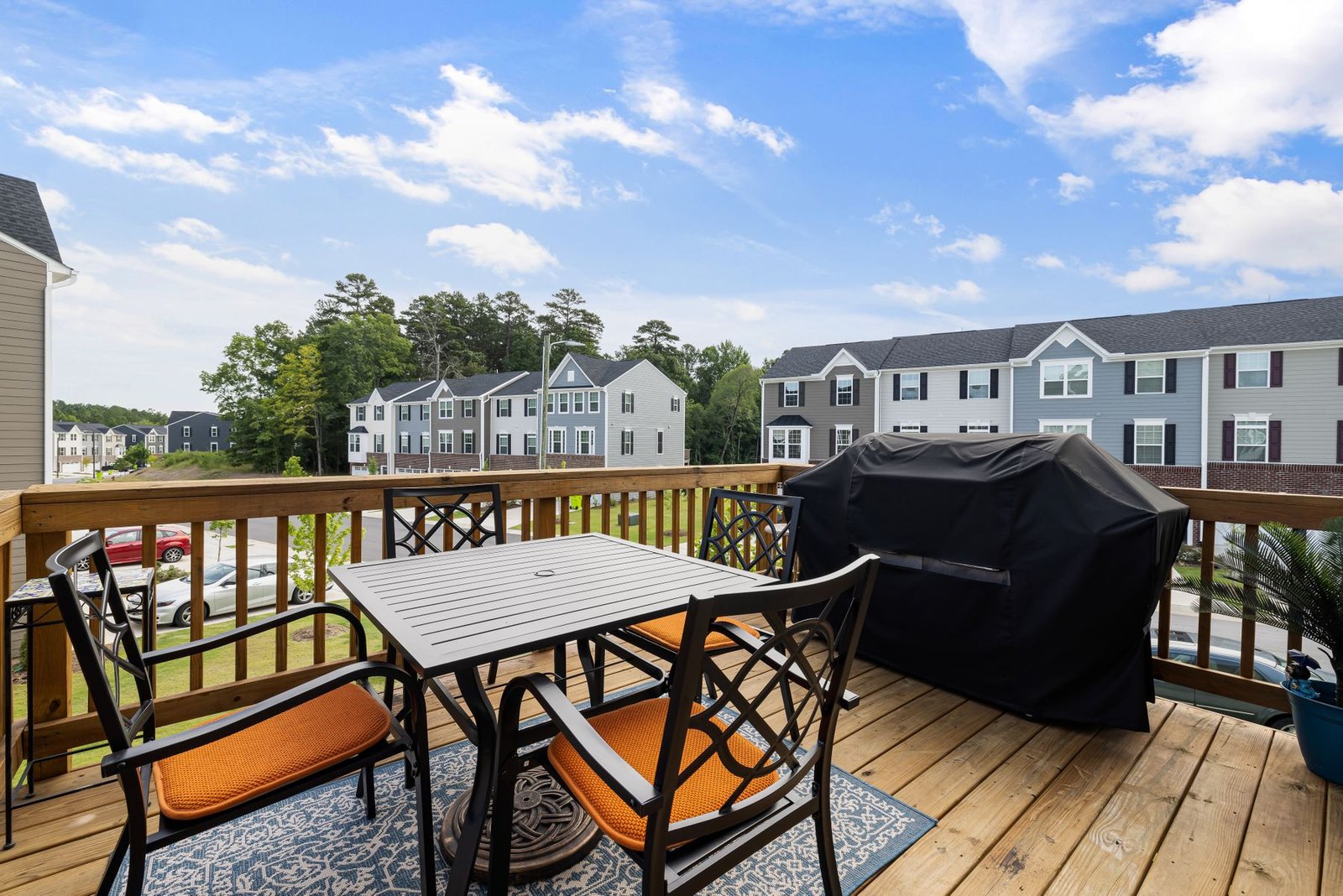
Deck Installation
New decks laid out for the span, the soil and the snow load your lot actually has.
What this involves →Decks for Sun Valley — older, modest housing on ground that rises fast, where footings hit rock sooner than anyone expects.
No obligation. Every estimate starts with a walkthrough of the site and a straight conversation about what the ground, the span and the budget will allow.
Building here
Sun Valley sits in the gap between Reno and Sparks, unincorporated Washoe County, with housing that runs from 1960s through 1980s stock plus a significant number of manufactured homes. Lots are generally modest, budgets are real, and a lot of the work here is repair and replacement rather than new build — decks that have been in place for thirty years and are showing it.
The ground is the thing that surprises people. The valley sides rise quickly and the soil layer over rock is thin in places, so a footing that should be a twenty-minute job can turn into an afternoon with a breaker. It does not stop the deck; it changes the price and the schedule, and it is much better discovered at the test-hole stage than on the day the concrete is booked.
On the repair side, Sun Valley has a lot of decks built by owners over the decades, many of them unpermitted and built to whatever seemed reasonable at the time. Nailed ledgers, missing flashing, undersized joists and guardrail posts screwed to a rim board are all common. None of that is a reason to panic, but it is a reason to look underneath before spending money on the surface. Permits are handled by Washoe County Building and Safety.
Three things define deck work in Sun Valley.
Thin soil over rock on the rising ground means slow footings. We dig test holes first so the cost is known rather than discovered, and so posts can be shifted where that solves it more cheaply than digging.
Plenty of the existing decks here were owner-built to the standards of the day. That usually means the ledger and the guardrail posts are the weak points, and both are cheap to check and dangerous to ignore.
On a modest lot with a modest budget, a well-executed repair is often the right answer rather than a rebuild. We will tell you honestly which side of that line your deck is on, including when it costs us the bigger job.
What we build in Sun Valley
The same six services, applied to what this ground and this elevation actually present.
New decks laid out for the span, the soil and the snow load your lot actually has.
What this involves →
Rot, loose ledgers, split boards and failing rails put right before they turn into a rebuild.
What this involves →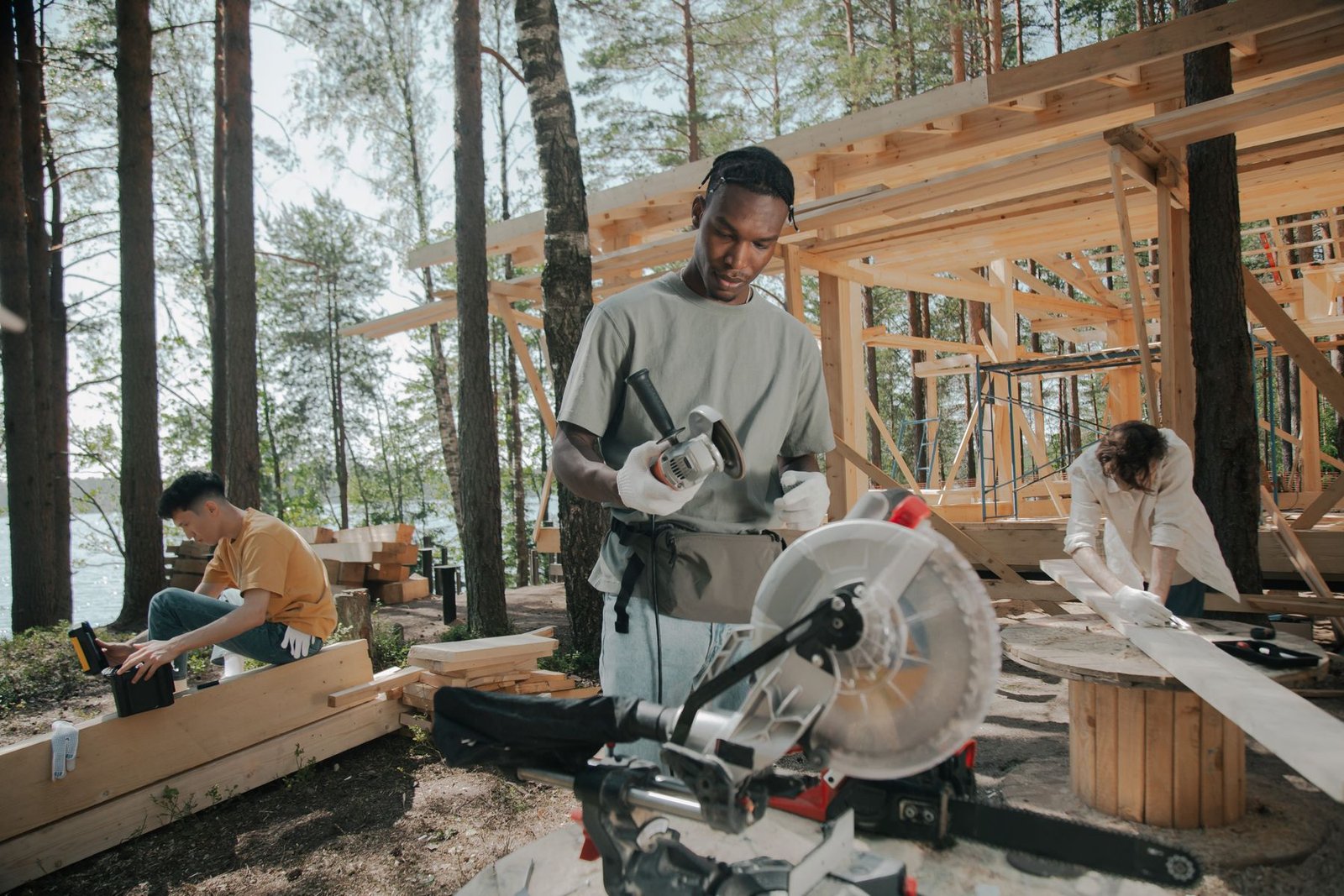
Tearing out a deck that has reached the end of its life and rebuilding on sound footings.
What this involves →
Capped composite and PVC boards for owners who would rather not re-stain every other summer.
What this involves →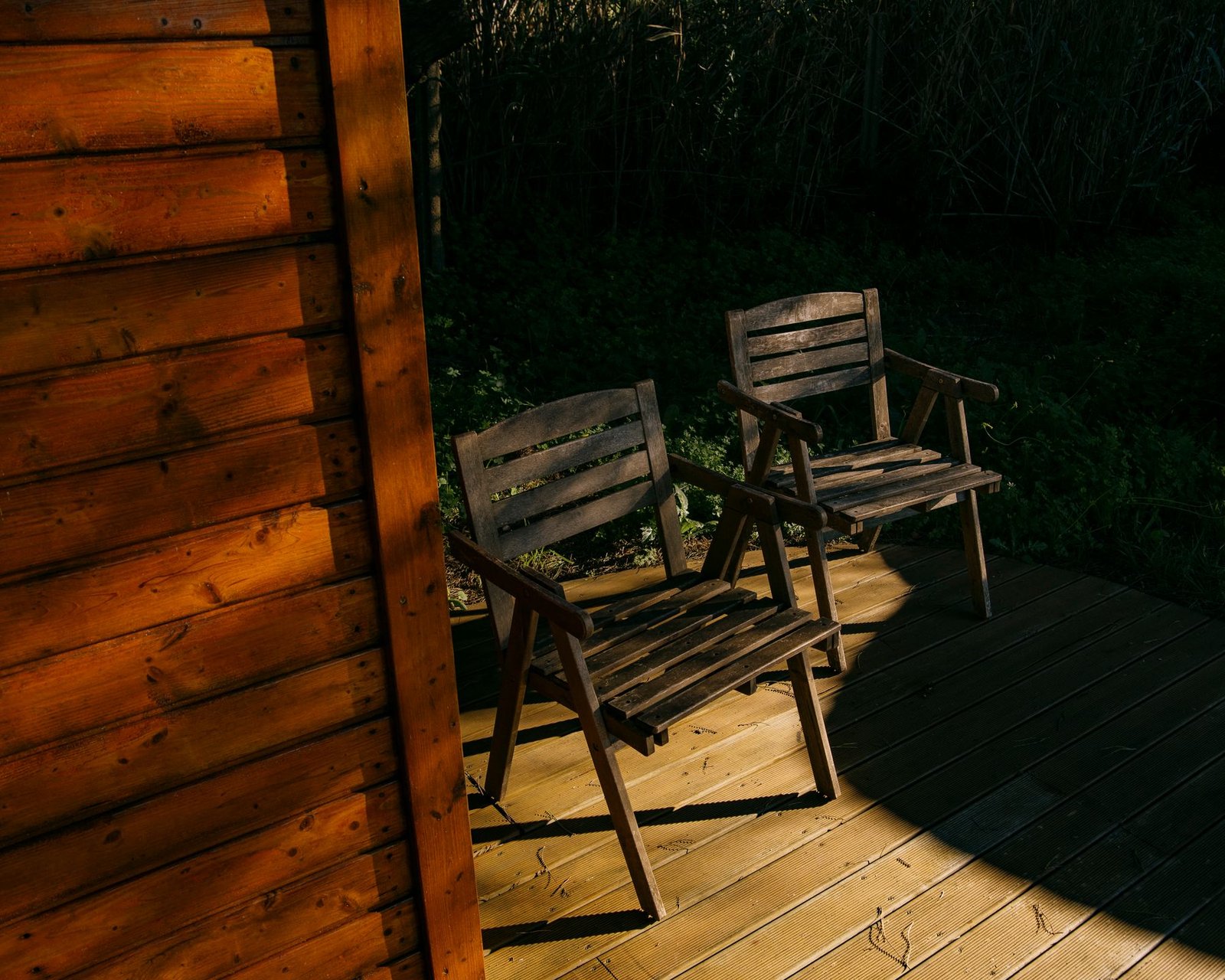
Cedar, redwood and pressure-treated pine built to move with Nevada temperature swings.
What this involves →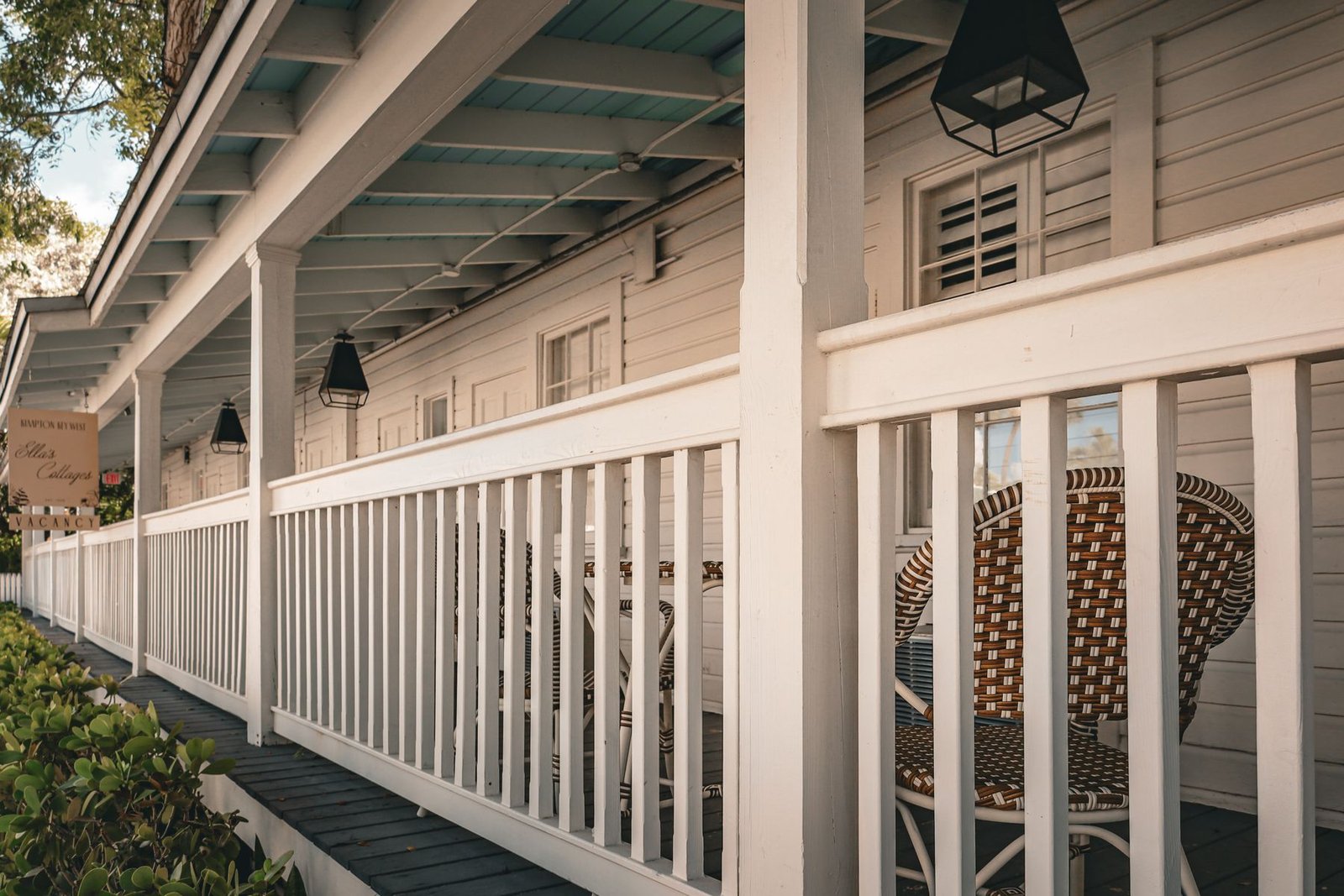
Guardrails, cable and metal infill that meet code height and open-space limits.
What this involves →Before you start
Not a code list. These are the things that most often change a design or a price in Sun Valley.
Sun Valley questions
It needs a different approach. Manufactured homes are not framed like site-built houses, and the chassis and rim are generally not intended to carry the load a ledger imposes. Attaching to them can also affect the home’s certification.
The normal answer is a freestanding deck that carries its own load on posts and simply sits alongside the home rather than hanging from it. It costs a few more footings and it removes the whole problem.
Common here, and not a crisis. If you are repairing it, the work may fall under maintenance depending on what is being done. If you are replacing it, the new deck goes through permitting and is judged against current requirements, which is generally a good outcome.
What we will not do is build new decking over a frame we believe is unsafe. Confirm your position with Washoe County Building and Safety before assuming either way.
Frequently, yes — it depends entirely on the frame. Surface boards, stairs and guardrails are all replaceable at reasonable cost. Posts, beams, joists and the ledger are the deck itself.
Our working rule is that once more than roughly a third of the framing needs work, the labour of cutting around the old structure starts to cost more than building new. We will give you the honest verdict rather than the profitable one.
Thin soil over rock, particularly as you move up the valley sides. A footing hole that would take twenty minutes in Spanish Springs can take several times that here, and occasionally it needs a breaker.
The practical answer is test holes before the layout is fixed. Sometimes a post moves three feet and the problem disappears; sometimes it does not and the cost needs to be in the quote rather than in a surprise.
Maybe not, but the exemption is narrower than most people assume. In unincorporated Washoe County a deck can avoid a permit only if it is 200 square feet or less, no more than 30 inches above grade, does not serve a required exit door, and meets setbacks — all four together.
That exit-door clause catches a lot of small decks, since the one outside your back door is often the required means of egress. Check with Washoe County before relying on it.
Nearby
Conditions change quickly around here. Each of these has its own page.
See all twenty-five on the service areas page, or start from the Sparks homepage.
Next step
If there is a deck there now, photos of the underside will tell us more in ten seconds than a site visit tells us in ten minutes.
No obligation. Every estimate starts with a walkthrough of the site and a straight conversation about what the ground, the span and the budget will allow.