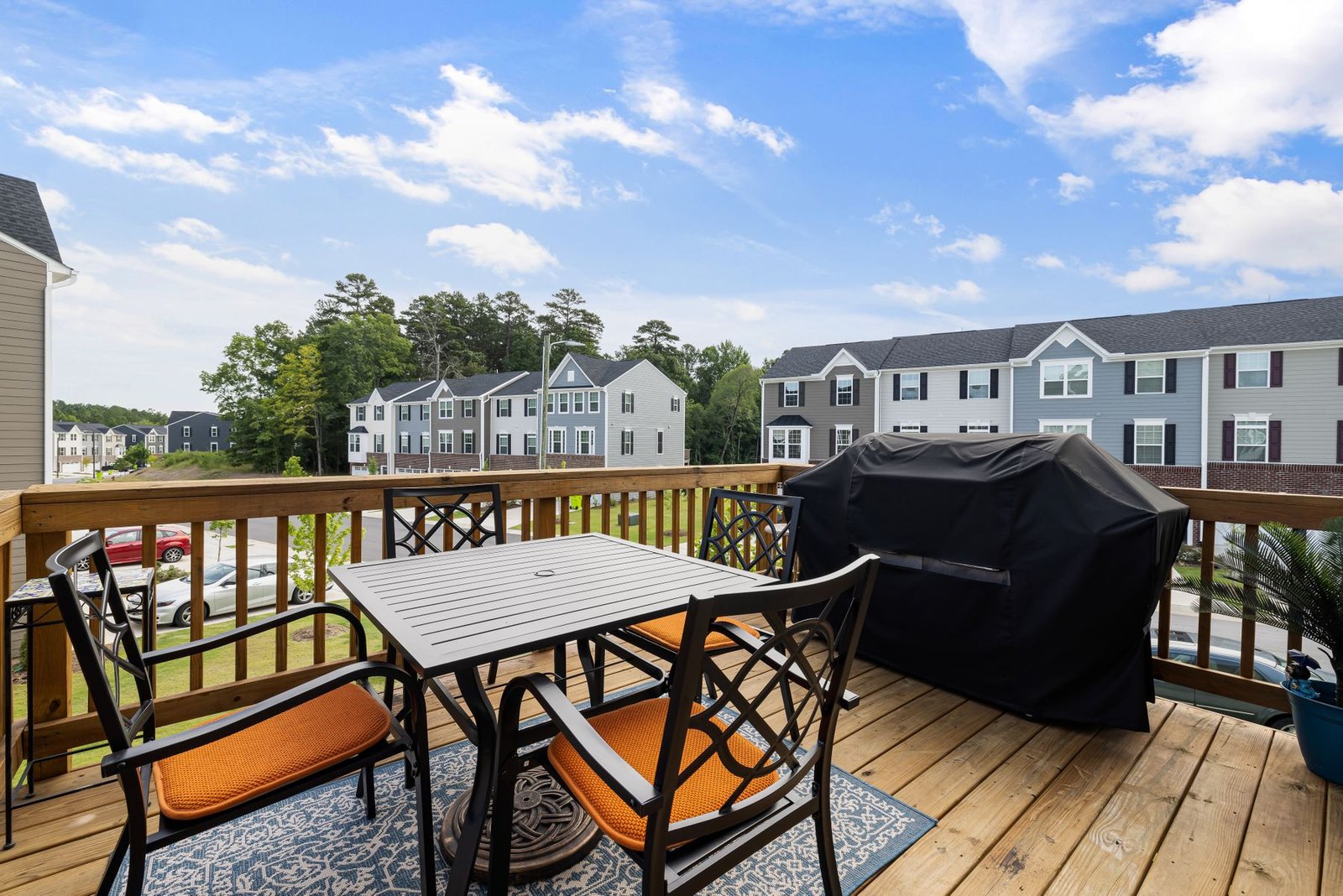
Deck Installation
New decks laid out for the span, the soil and the snow load your lot actually has.
What this involves →Decks for Lemmon Valley — a closed basin where the water table, not the budget, often decides how low a deck can sit.
No obligation. Every estimate starts with a walkthrough of the site and a straight conversation about what the ground, the span and the budget will allow.
Building here
Lemmon Valley sits north of Reno around Swan Lake, and it is a closed hydrologic basin — water that arrives has no natural outlet and leaves by evaporation and infiltration rather than by running downstream. In a dry decade that is invisible. In a wet one it is the defining feature of the place, as residents found in 2017 when sustained flooding reached homes and roads around the lake.
For deck building that translates into a specific set of decisions. On the lower parcels the seasonal water table can sit far higher than people expect, which affects footing excavation directly — a hole that fills with water is a hole that needs a different approach. It also argues strongly for keeping the frame well clear of grade rather than building the low, ground-hugging deck that works so well on drier flat ground. Timber sitting close to periodically saturated soil does not last.
Away from the low ground the valley behaves like the rest of the North Valleys: open, windy, higher and colder than the Meadows, with shallow rock in places. Jurisdiction is genuinely split here — parts of Lemmon Valley are inside City of Reno limits and parts are unincorporated Washoe County, and the boundary does not follow anything obvious.

Three things shape a Lemmon Valley deck.
Low ground near the lake and higher ground on the valley sides are two different building problems. The first is about water and footing depth; the second is ordinary North Valleys work.
Where groundwater rises seasonally, a low deck puts timber close to saturated soil. Raising the frame, using standoff post bases and keeping air moving underneath all extend the life of the structure considerably.
Lemmon Valley includes both City of Reno and unincorporated Washoe County parcels. It decides which department reviews the deck, so we check the parcel record before anything else.
What we build in Lemmon Valley
The same six services, applied to what this ground and this elevation actually present.
New decks laid out for the span, the soil and the snow load your lot actually has.
What this involves →
Rot, loose ledgers, split boards and failing rails put right before they turn into a rebuild.
What this involves →
Tearing out a deck that has reached the end of its life and rebuilding on sound footings.
What this involves →
Capped composite and PVC boards for owners who would rather not re-stain every other summer.
What this involves →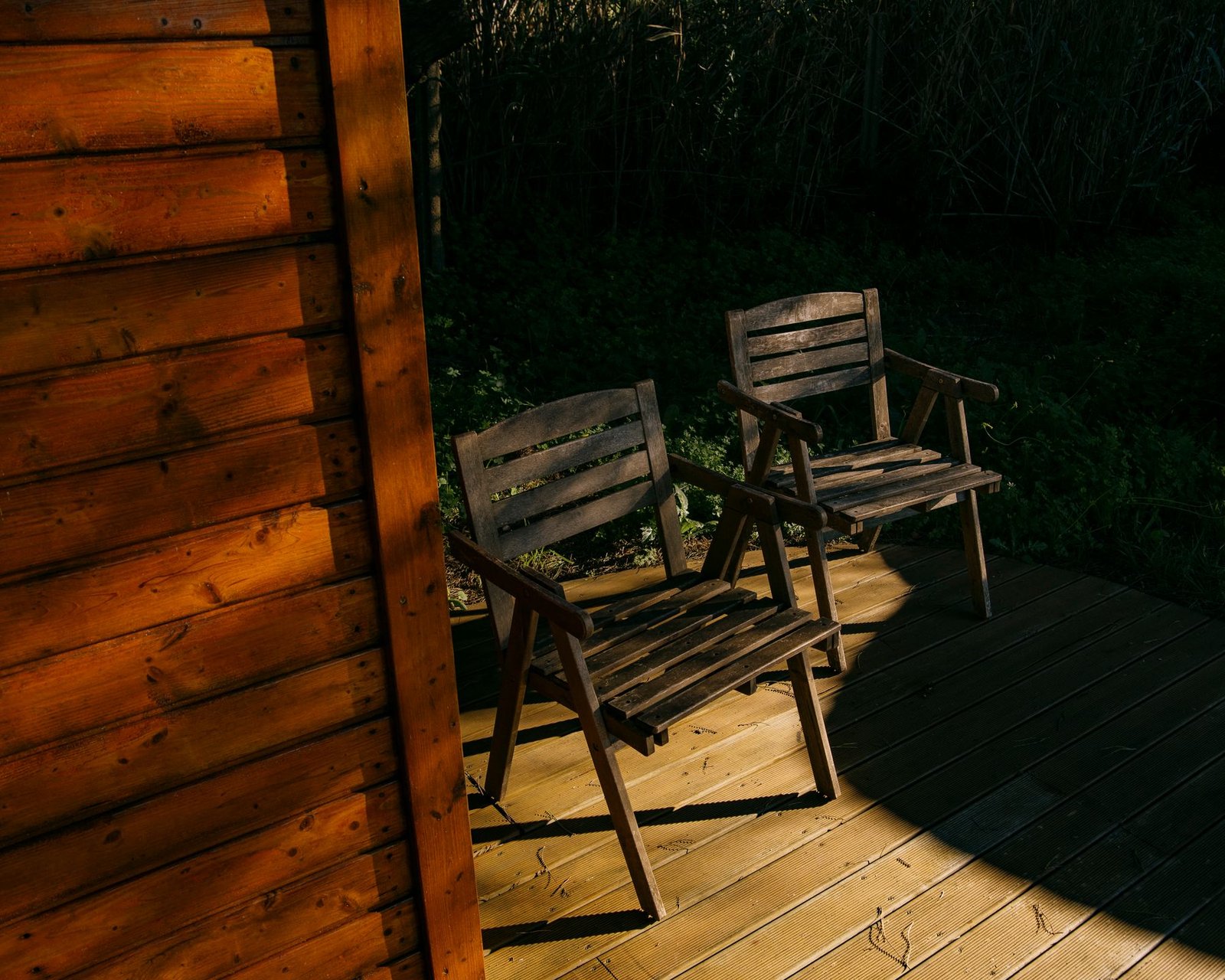
Cedar, redwood and pressure-treated pine built to move with Nevada temperature swings.
What this involves →
Guardrails, cable and metal infill that meet code height and open-space limits.
What this involves →Before you start
Not a code list. These are the things that most often change a design or a price in Lemmon Valley.
Lemmon Valley questions
It depends where in the basin you are. Lemmon Valley has no natural outlet, so in wet years water accumulates rather than draining, and the 2017 event is the local reference point for what that looks like.
If your parcel is in the low ground, the design consequences are real: footings meet a higher water table, and a deck built close to grade will have timber sitting near saturated soil for part of the year. Washoe County and the City of Reno hold the flood mapping for the basin, and it is worth checking your parcel before designing a low deck.
Sometimes, but on the lower parcels we will usually argue against it. A ground-hugging deck traps moisture underneath, and where the water table rises seasonally that means timber in contact with damp soil and very little airflow to dry it.
Raising the frame even a modest amount, using standoff post bases and leaving the underside open makes an enormous difference to how long the structure lasts. It also, unfortunately, may bring guardrails into play once you pass 30 inches.
It is a known situation rather than a disaster, and it changes method rather than feasibility. Depending on how much water and how quickly it returns, the answer may be dewatering the hole, using a form to keep the pour clean, or moving the footing to better ground.
This is precisely why test holes matter here more than almost anywhere else in the region — finding it during the design stage is a design decision, and finding it on pour day is a problem.
Both, depending on the parcel. Some of Lemmon Valley is inside City of Reno limits and reviewed by Reno Development Services; other parcels are unincorporated and go to Washoe County Building and Safety.
The boundary does not follow an obvious landmark. The Washoe County Assessor’s parcel record settles it, and it decides the submittal, the fees and the inspection schedule.
There is a real argument for it on the wetter parcels. Composite does not rot, and in a location where the underside of a deck spends part of the year in a damp environment, that matters more than it does on dry ground.
The important caveat is that composite is only the surface. The frame underneath is still timber, and it still has to be detailed properly — raised clear of grade, on standoff bases, with airflow. Composite decking over a badly detailed frame in a damp basin solves the visible half of the problem and none of the structural half.
Nearby
Conditions change quickly around here. Each of these has its own page.
See all twenty-five on the service areas page, or start from the Sparks homepage.
Next step
Tell us roughly where your parcel sits relative to Swan Lake. In this valley that answer changes the design more than the deck size does.
No obligation. Every estimate starts with a walkthrough of the site and a straight conversation about what the ground, the span and the budget will allow.